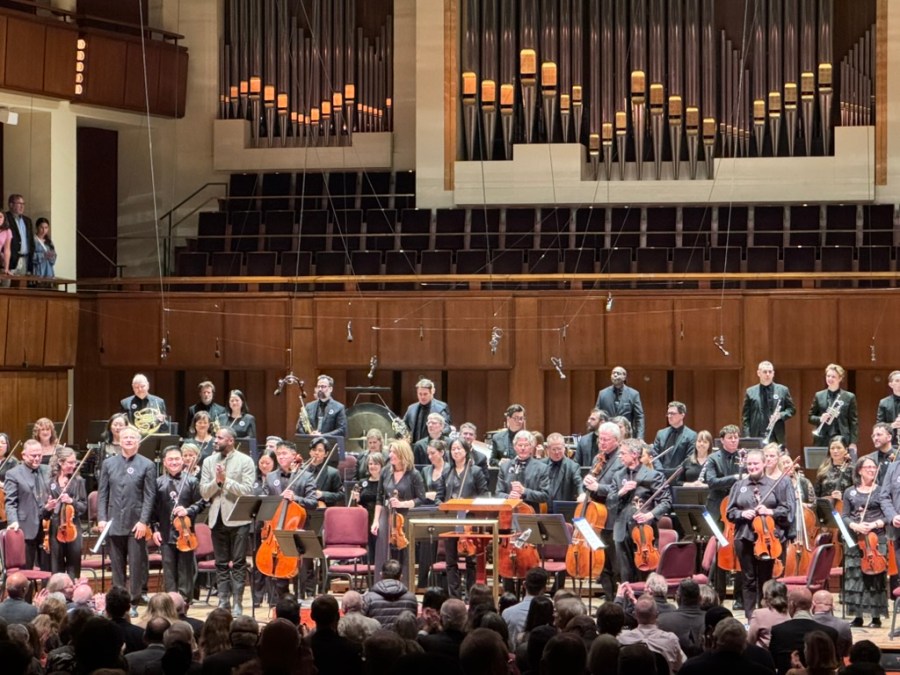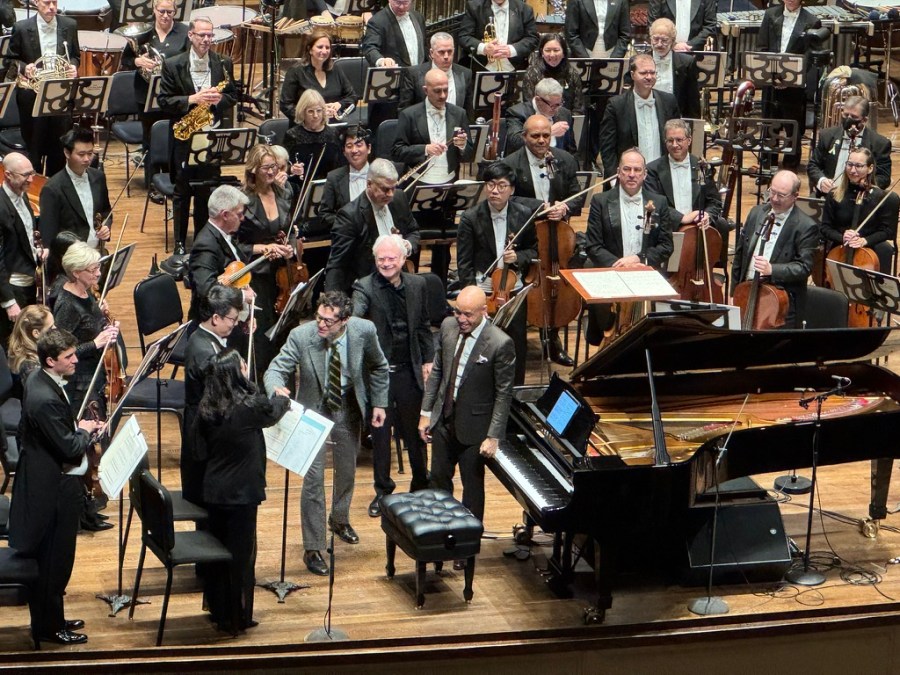
National Symphony Orchestra
Gianandrea Noseda, conductor
Ying Fu, violin
Raymond Tsai, cello
Concert Hall
Kennedy Center
Washington, DC
March 14, 2026
Schumann: Overture to Manfred, Op. 115
Simon: Double Concerto Suite
Brahms: Symphony No. 3 in F major, Op. 90
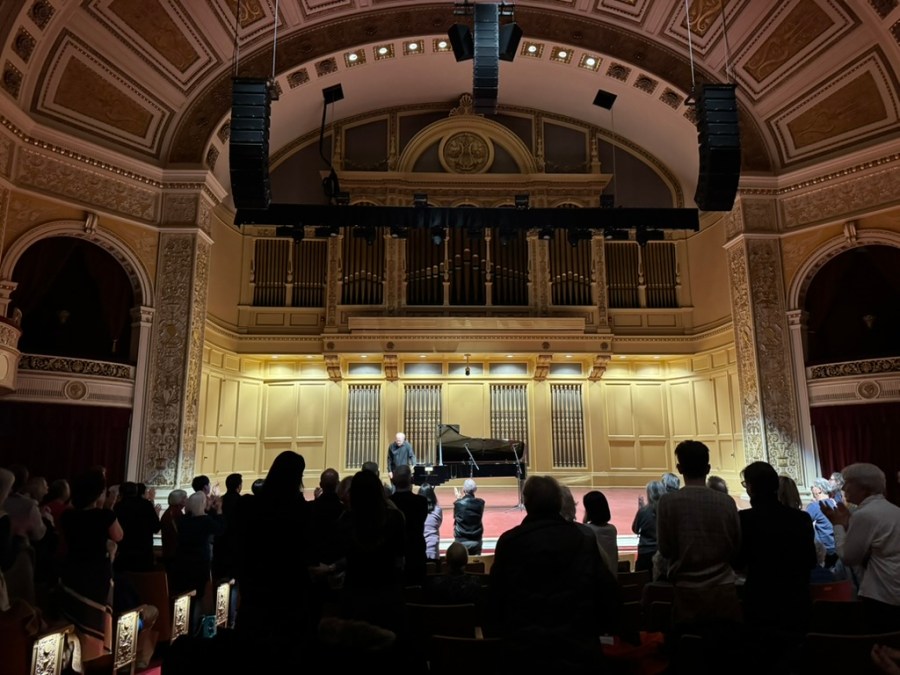
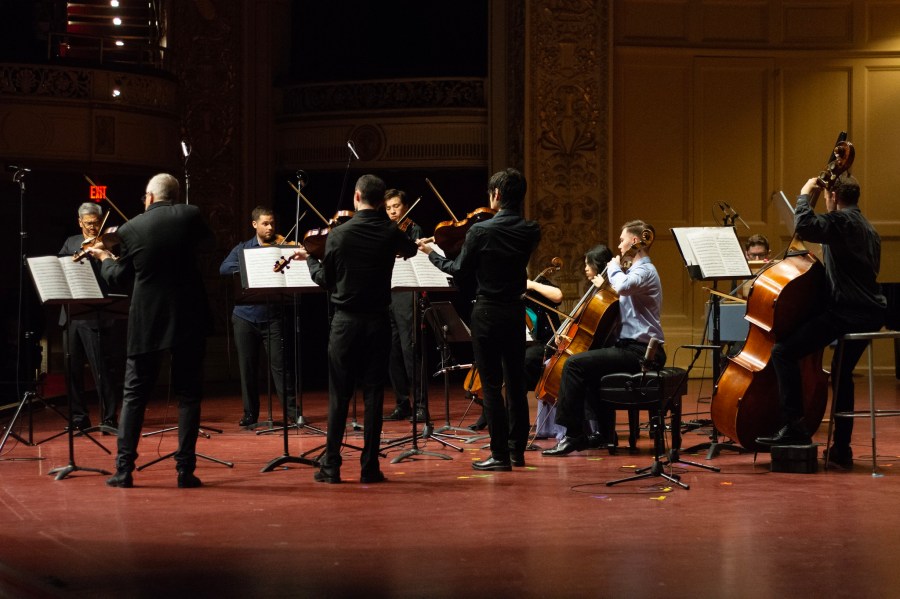
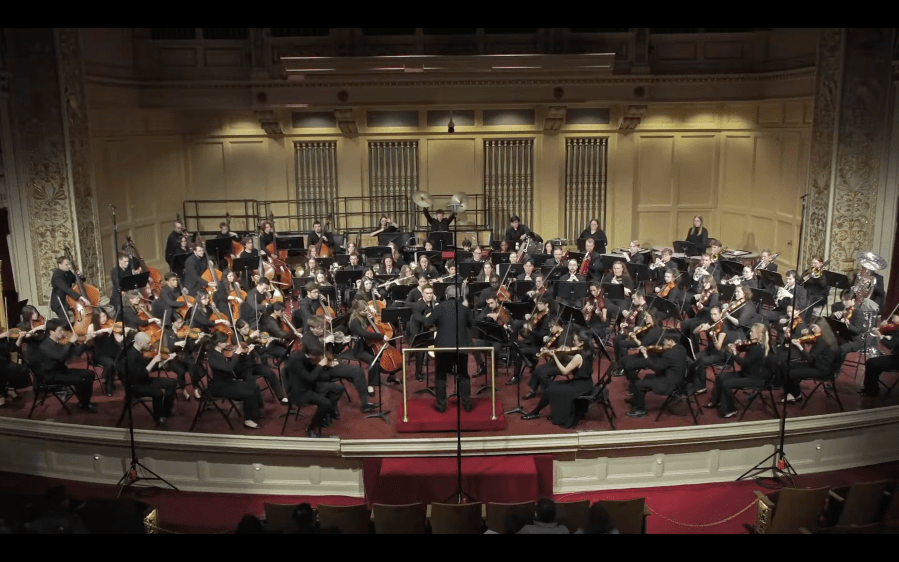
Under the helm of music director Gianandrea Noseda, the weekend’s program at the National Symphony Orchestra traced the spirit of Brahms with works that influenced and were influenced by him, culminating in a symphony by the German composer himself. As per official decree from the current administration, all NSO concerts now begin with a rendition of the national anthem (led by the concertmaster, without the conductor present).

Robert Schumann shaped Brahms’ musical language perhaps more than any other. A late work from the elder composer opened in the overture to the incidental music to Manfred. The complete work is rarely heard, but the overture functions well as a standalone piece. A bold opening was dialed back to the poignantly ponderous, gradually building again to intense, riveting drama. An especially sturdy brass section portrayed the brooding titular figure, only to arrive at a somber close.
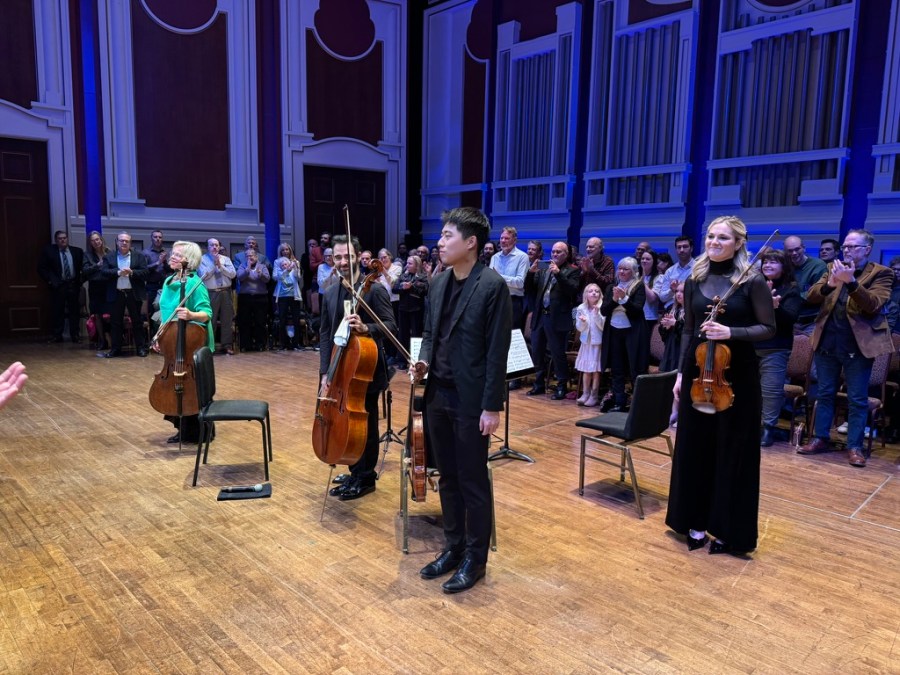
A native of Washington, Carlos Simon has been serving as the NSO’s composer-in-residence since 2021. The present performances featured the world premiere of his Double Concerto Suite, with solo parts for violin and cello – a nod to Brahms’ own double concerto. Unlike most of Simon’s works, this music was purely abstract without an explicit program or inspiration. “Suite” is a key word in the title; its five movements were rather disparate and lacked the cohesion of a singular concerto. The soloists were drawn from the ranks of the NSO principals, Ying Fu (violin) and Raymond Tsai (cello) after Hilary Hahn and Seth Parker Woods withdrew in protest.
The work is substantial in scope at over thirty minutes. Energetic, colorful orchestration began, propelled by driving rhythms. Fu and Tsai were in a harmoniously blended dialogue with one another. The second movement featured lyrical playing from the cello with some touching double stops and a substantial solo passage for flute. A playful, good-natured movement followed, ahead of material that invoked the Delta Blues. The finale was a bit thornier, with frenetically interlocking material for a high-octane coda. While much of it was pleasing to the ears, I didn’t find it to be a work that made a lasting impression – and I was left wondering what Hilary Hahn might have managed with it.
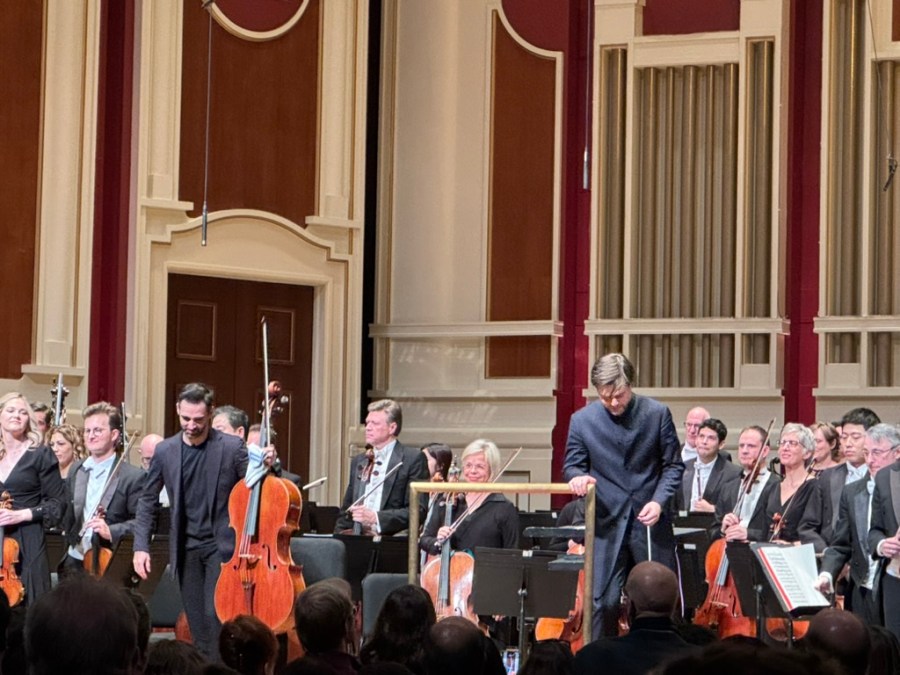
The program concluded with Brahms’ autumnal Third Symphony in the strongest playing of the evening. Stormy beginnings belied its gentle core. Noseda’s baton gently floated, suspended, drawing out the bucolic textures, and under his pacing, matters were never stodgy as Brahms can be under lesser hands. The Saturday night audience had a tendency to applaud between movements; in the symphony Noseda seemed to consciously fight against it by leaving little space between.
Mellifluous winds opened the Andante, a tranquil essay capped off by the amber glow of the striking chord progression which closed. There was a gentle lilt to the Poco allegretto, and most of the dramatic tension was saved for the finale with its brassy splendor, though it found its way to a reflective close at peace with world.