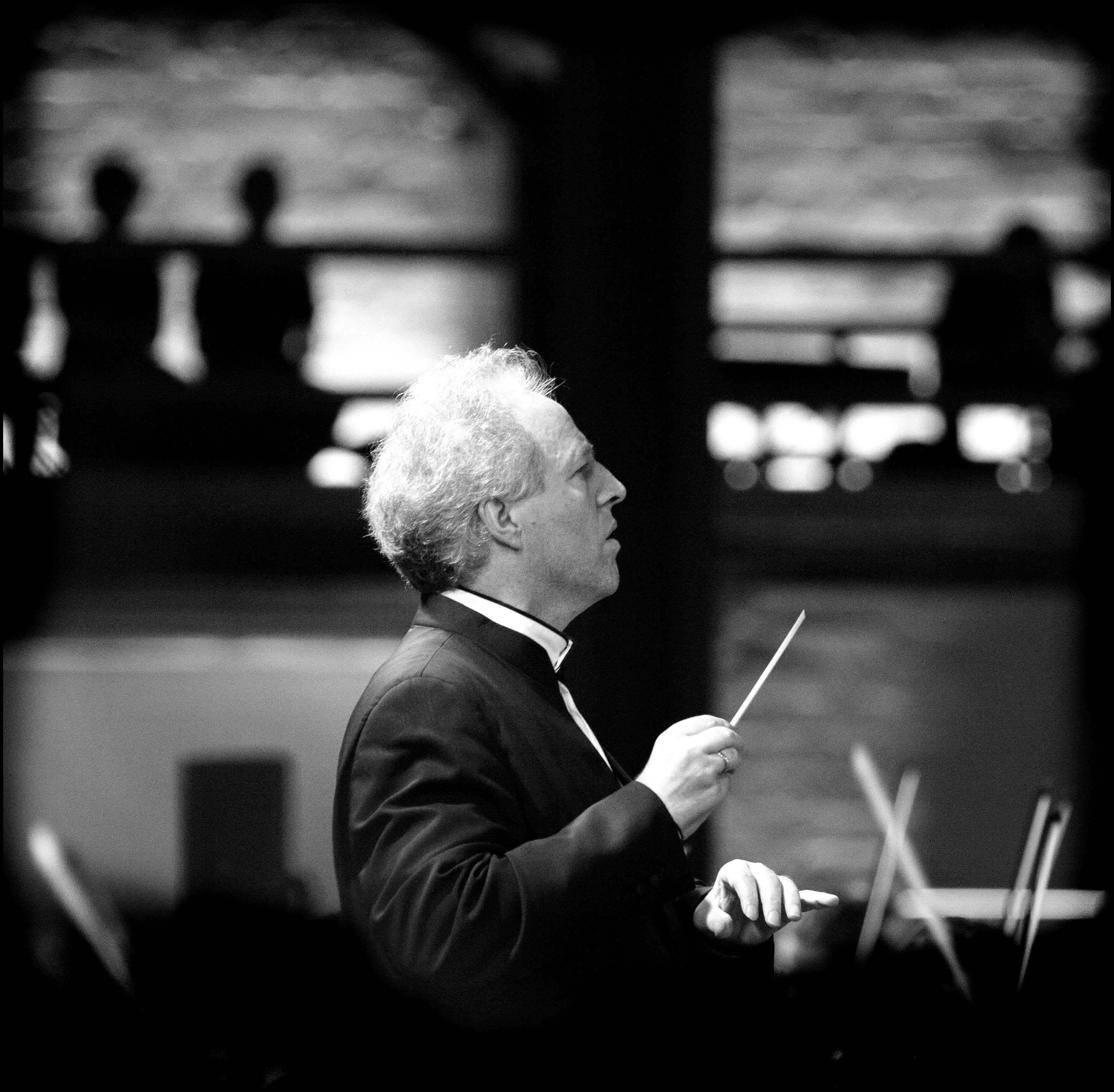
Honeck and Pittsburgh Symphony offer delectable potpourri in Thanksgiving program

Pittsburgh Symphony Orchestra
Manfred Honeck, conductor
Steven Banks, saxophone
Heinz Hall
Pittsburgh, PA
December 1, 2024

Weber: Overture to Der Freischütz
Tomasi: Concerto for Alto Saxophone
Strauss II: Overture to Die Fledermaus
Strauss II: Éljen a Magyar!, Op. 332
Puccini: Intermezzo from Act III of Manon Lescaut
Strauss II: Leichtes Blut, Op. 319
Banks: Strength of My Life from Come As You Are (arr. Corey Dundee)
Strauss II: Kaiser-Walzer, Op. 437
Strauss II: Auf der Jagd, Op. 373

Encores:
Josef Strauss: Feurfest!, Op. 269
Strauss Sr.: Radetzky-Marsch, Op. 228

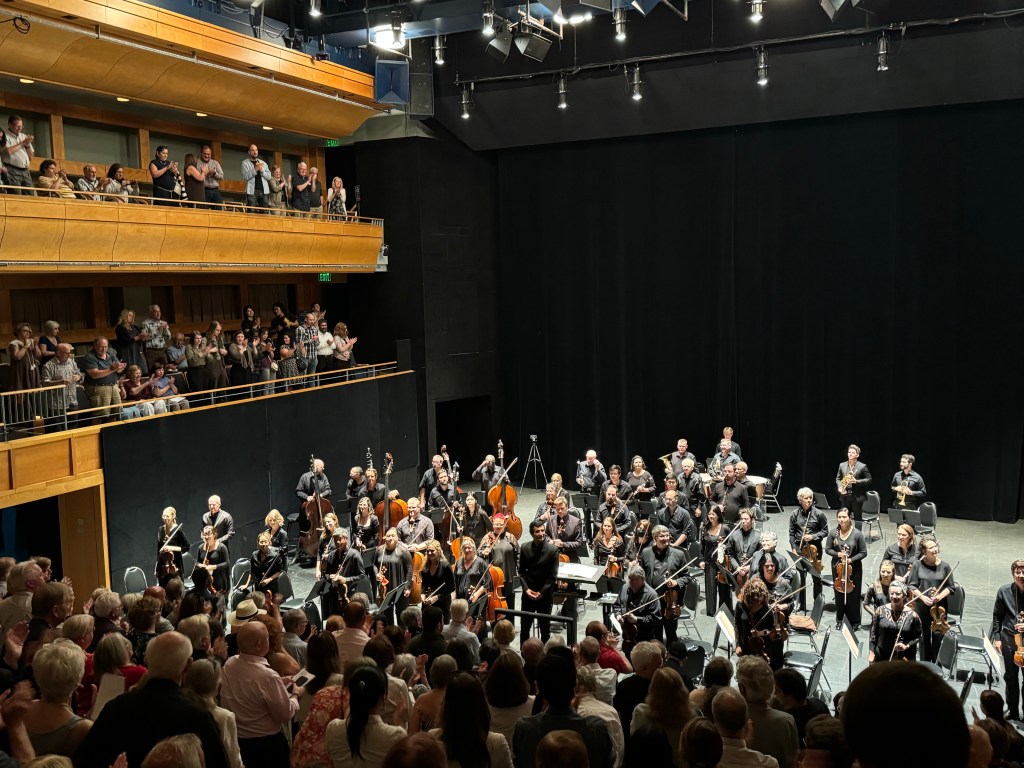
In a standing tradition, the Pittsburgh Symphony presented a populist Thanksgiving program highlighted by a brimming selection of waltzes, polkas, and marches from the Strauss family. The first half began on a rather more serious note, however, opening with the overture to Weber’s landmark opera Der Freischütz.

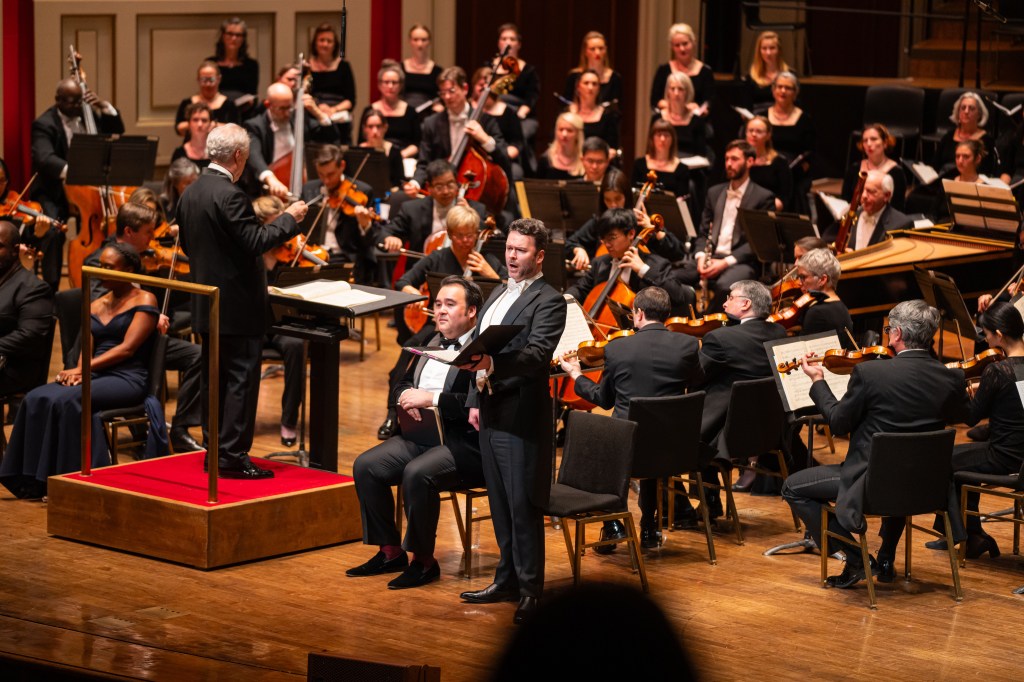
Steven Banks, Manfred Honeck, and the PSO. Photo credit Manfred Honeck on Facebook

A long-bowed melody in the arching strings was tempered by warm chorales from the Pittsburgh brass. With vigor, darker material took over in full-fledged operatic drama, though in the end the triumphant conclusion won the day.

A rarity followed in the 1949 Alto Saxophone Concerto by Henri Tomasi, a quantity for the PSO debut of Steven Banks. A modernist soundscape was drawn from its piquant bitonalities, and the lyrical potential of the saxophone was exploited to remarkable effect — a markedly distinct style from the jazz sound one is more accustomed to. The Allegro section that followed the concerto’s introductory remarks was of a coloristic mid-century aesthetic, with a lively orchestration to boot, and Banks traversed a wide array of tone and timbre.

The closing Giration-Final saw the soloist dazzle in rapid fingerwork, and the movement’s dance inflections added to its excitement. As an encore, Banks offered The Lord’s Prayer, a slow and lyrical paragraph that showed yet another side of his instrument — and the power it has to resound unaccompanied.

The Strauss-heavy latter half was very much in the spirit of a Vienna Philharmonic New Year’s Concert, as if Heinz Hall was momentarily morphed into the golden Musikverein (and one should also be reminded that an authentic Austrian-style Christmas market lies a few blocks away at Market Square). One could have hardly asked for a more informed interpreter than Austrian native Manfred Honeck.

Lithe and elegant, the overture to the operetta Die Fledermaus fizzed with vigor and flamboyance. Hungarian folk melodies — including echoes of the indelible Rákóczi March — were woven in the exuberant Éljen a Magyar! Rather different but equally appealing was an intermezzo from Puccini’s Manon Lescaut, lush and filled with longing. Harps swelled for a sumptuous texture, further encouraged by fine playing from the solo cello.

Banks returned to showcase his own composition entitled Come As You Are. Originally scored for tenor saxophone and piano, the suite is a lovely tribute to his faith and family. On offer was an arrangement for tenor sax and strings of the third movement “Strength of My Life.” Touchingly reflective, it was well-suited to the rich, mellow sound of the tenor.

Back to Strauss. The Emperor Waltzes were fittingly regal, and Auf der Jagd concluded the printed program complete with some humorous theatrics. Honeck and the PSO indulged the audience with a pair of encores beginning with Feuerfest! from the pen of Johann Jr’s brother Josef. Brought to life by use of the anvil, it was only outdone by the rambunctious Radetzky March.

In a post-concert performance, the Pittsburgh Cello Quartet (comprised of four PSO cellists) offered a brief selection of mostly holiday fare. More memorable was a transcription of Poulenc’s pensive O magnum mysterium.

Pianist Tom Borrow joins Pittsburgh Symphony musicians for an evening of chamber music

Tom Borrow, piano
Justine Campagna, violin
Jeremy Black, violin
Tatjana Mead Chamis, viola
Anne Martindale Williams, cello
Strings of the Pittsburgh Symphony Orchestra

Heinz Hall
Pittsburgh, PA
October 19, 2024

Mozart: Violin Sonata No. 21 in E minor, K304
Grieg: Holberg Suite, Op. 40
Dvořák: Piano Quintet in A major, Op. 81

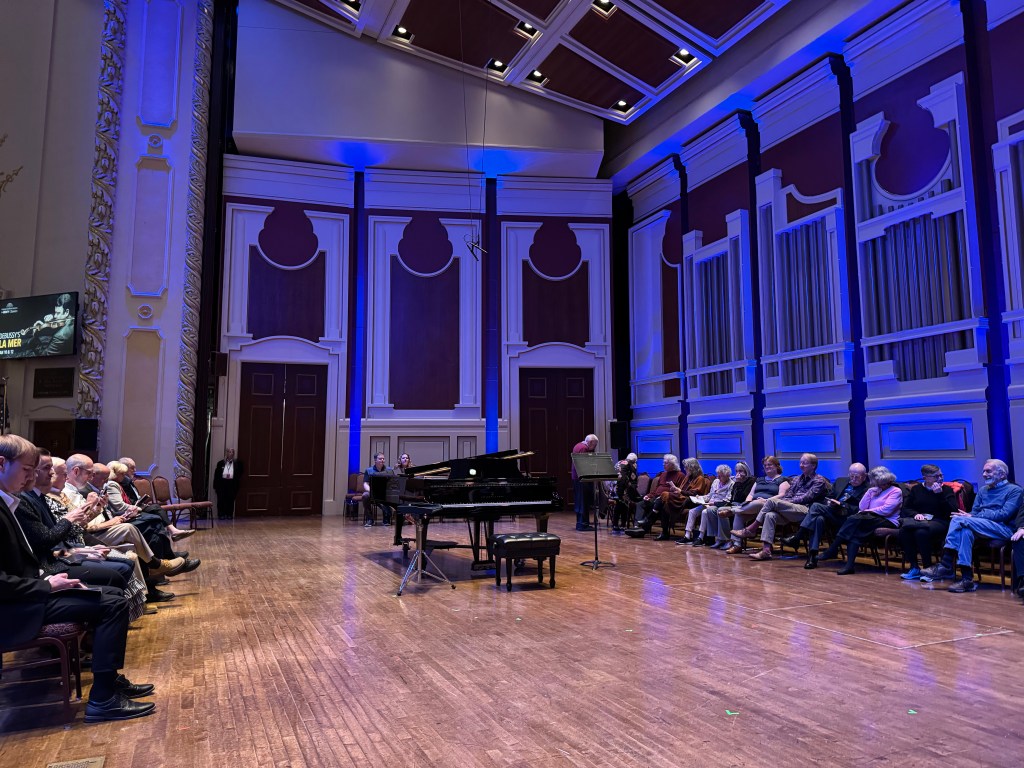
One of the Pittsburgh Symphony’s more enterprising endeavors is the PSO360 series, which engages the guest soloist from the weekend’s subscription concerts in chamber music with select PSO members. An intimate audience of 200 is seated on the Heinz Hall stage, circled around the performers, affording the opportunity to see another side of the soloist and orchestra players alike.

The soloist in question was the young Israeli pianist Tom Borrow, who made a strong impression in the performances of Ravel’s piano concerto that flanked Saturday’s chamber concert. To begin, Borrow teamed up with associate concertmaster Justine Campagna in Mozart’s E minor violin sonata. The only work in Mozart’s vast catalogue to be cast in that key, it’s a particularly deeply-felt creation, one that the program notes aptly compared to the A minor piano sonata (K310) for its expressive range.

Campagna was elegant and articulate, and Borrow responded in kind with sparkling, quintessentially Mozartian pianism. The development section was particularly emotive, and the minuet that closed the two-movement sonata was perhaps the most profound of all minuets, a rich conversation between violinist and pianist.

Grieg’s Holberg Suite brought out the Pittsburgh string section, and there was a visceral energy in being onstage with 20 string players, evident from the effusive prelude which opened. Peaceful, lyrical movements followed, swelling to a warm resonance, and I was especially struck by the clarity of the inner voices. Perhaps most affecting was the Air, songful and mournful — and a touching homage to Bach. The Rigaudon brought the suite to a close with joyous abandon.

Following intermission, Borrow returned with a quartet of strings for Dvořák’s great A major piano quintet. A graceful introduction in the piano paved the way for a lyrical cello passage (Anne Martindale Williams). The five players wove together a rich tapestry with a feverish intensity, yet at its core still as good-natured as the composer himself. An elegant piano gesture marked the Dumka, a wistful essay punctuated by gorgeous interludes.

There was a vivacity to the folk inflections of the Scherzo that could only put a smile on one’s face, and the finale continued in the highest of spirits — but not without a blistering fugato. Here as throughout, Borrow sounded like a seasoned collaborator with these Pittsburgh players.

Tom Borrow with members of the Pittsburgh Symphony

Pittsburgh Symphony’s Summer Shorts offers Italian delights

Pittsburgh Symphony Orchestra
Jacob Joyce, conductor
Nicholas Myers, double bass
O’Reilly Theater
Pittsburgh, PA
July 18, 2024

Rossini: Overture to L’italiana in Algeri
Martines: Sinfonia in C major
Bottesini: Concerto No. 2 for Bass and Orchestra in B minor
Mendelssohn: Symphony No. 4 in A major, Op. 90, Italian

Though the Pittsburgh Symphony falls short of performing a full summer season, Thursday evening’s Summer Shorts performance did much to satisfy one’s musical appetite in a particularly appealing program of music from or about Italy. Helmed by associate conductor Jacob Joyce, the PSO ventured across Penn Avenue to the O’Reilly Theater, an intimate, 650-seat venue home to Pittsburgh Public Theater.

Jacob Joyce and the PSO at the O’Reilly

Rossini’s overtures never fail to bring a smile to one’s face, and the overture to L’italiana in Algeri (one of the composer’s first full-length operas) certainly had that effect, right from its cheeky pizzicato opening. A limber oboe passage provided a lyrical highlight in this otherwise vigorous work, performed by the PSO with the highest of spirits.

Born to Neapolitan parentage, Marianna Martines spent her life in Vienna where she counted amongst her acquaintances Haydn and Mozart. Though a prolific composer, very few of her works were published during her lifetime, and tragically, many manuscripts were destroyed by a fire in 1927. Dating from 1770, the Sinfonia in C major proved an intriguing discovery. Cast in a three-part structure in accordance with the Italian overture form, the work exuded the charm and elegance of the Classical style and of her mentor Haydn, but written with the optimism and self-assurance of a very skilled composer.

The central section could perhaps have been given with greater contrast from the preceding, though the finale – a sprightly, almost danceable affair – offered a minor key episode to beguiling effect. Consider my interest in Martines duly piqued.

Typically relegated to the back of the orchestra, it’s a rare treat to hear the double bass front and center as the protagonist of a concerto. Appointed to principal bass in 2022, this counted as Nicholas Myers’ PSO solo debut. Giovanni Bottesini was a virtuoso on the instrument, even becoming known as the “Paganini of the double bass,” and composed a significant body of work for it. In addition, he was an accomplished conductor, being the one to lead the 1871 premiere of Verdi’s Aïda in Cairo.

Bottesini’s Concerto No. 2 for Bass and Orchestra was perhaps the most intriguing entry on the program. With little fanfare to introduce, the bass entered lyrical and resonant, its capabilities as a solo instrument on full display. Myers impressed in his virtuoso command of the instrument, from the wide leaps in the melodic line to the rapid-fire coda. An Andante was deeply songful, a sound that contrasted with the instrument’s unwieldy appearance, and the rollicking finale evidenced Hungarian influence. In future PSO seasons, perhaps Myers can be invited to lead an exploration of concertos for double bass?

Mendelssohn’s perennial Italian symphony was a fitting and satisfying close to the evening. Its sunny, inimitably Italianate textures were buttressed by Joyce’s sweeping gestures, purveying a bold sound even more apparent in the confines of the O’Reilly. Perhaps because of the Bottesini that prefaced, my ears were particularly attuned to the sextet of double basses, which as ensemble instruments were used to such clever effect in the Andante con moto. The penultimate movement served as an elegant processional before the finale, given a vigorous workout, punctuated by the infectious rhythms of the saltarello.

Vasily Petrenko and Pittsburgh Symphony deliver a gripping Manfred

Pittsburgh Symphony Orchestra
Vasily Petrenko, conductor
Benjamin Grosvenor, piano
Heinz Hall
Pittsburgh, PA
June 2, 2024

Dukas: The Sorcerer’s Apprentice
Liszt: Piano Concerto No. 1 in E-flat major, S124
 Encore:
 Sousa/Horowitz: The Stars and Stripes Forever
Tchaikovsky: Manfred Symphony, Op. 58

Under the baton of guest conductor Vasily Petrenko, the Pittsburgh Symphony presented a colorful selection of three contrasting works spanning the Romantic era. Matters began with the inimitably familiar Sorcerer’s Apprentice of Paul Dukas, a familiarity in no small part cemented by its appropriation in Disney’s watershed Fantasia. The tone poem began in suspenseful mystery, decorated with silvery, gossamer texturing. Haughty bassoons introduced the main theme, given with swagger and bringing to life Goethe’s titular poem. The work burgeoned to an overflowing urgency, made the all the more affecting by way of its iridescent orchestration.

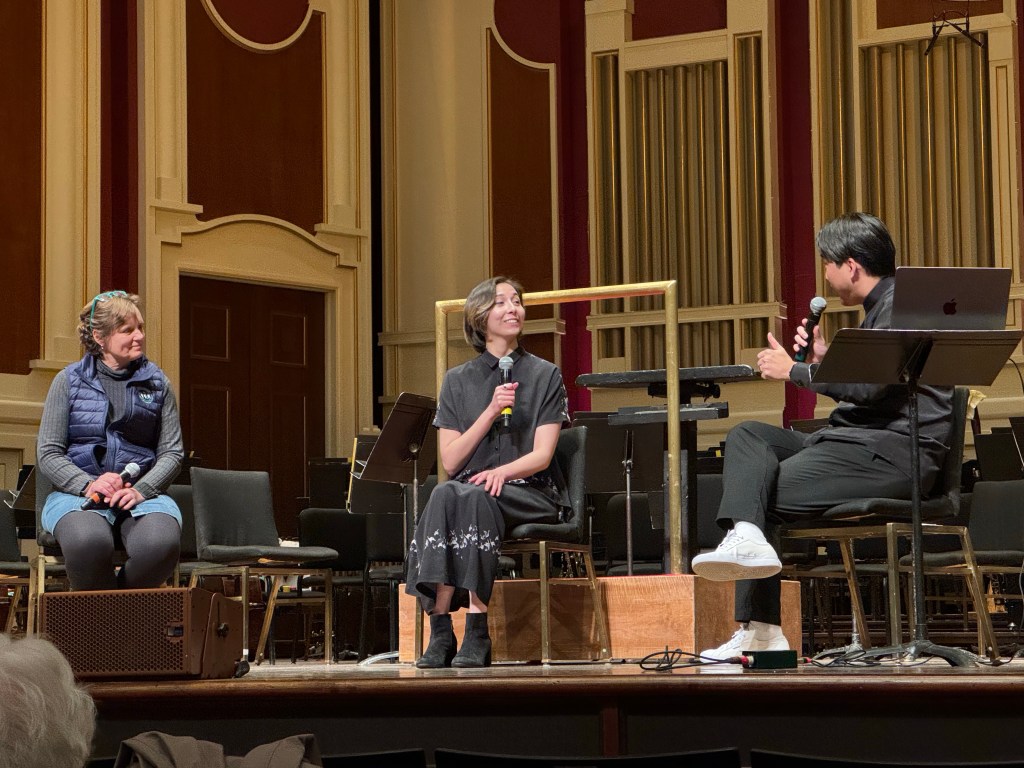
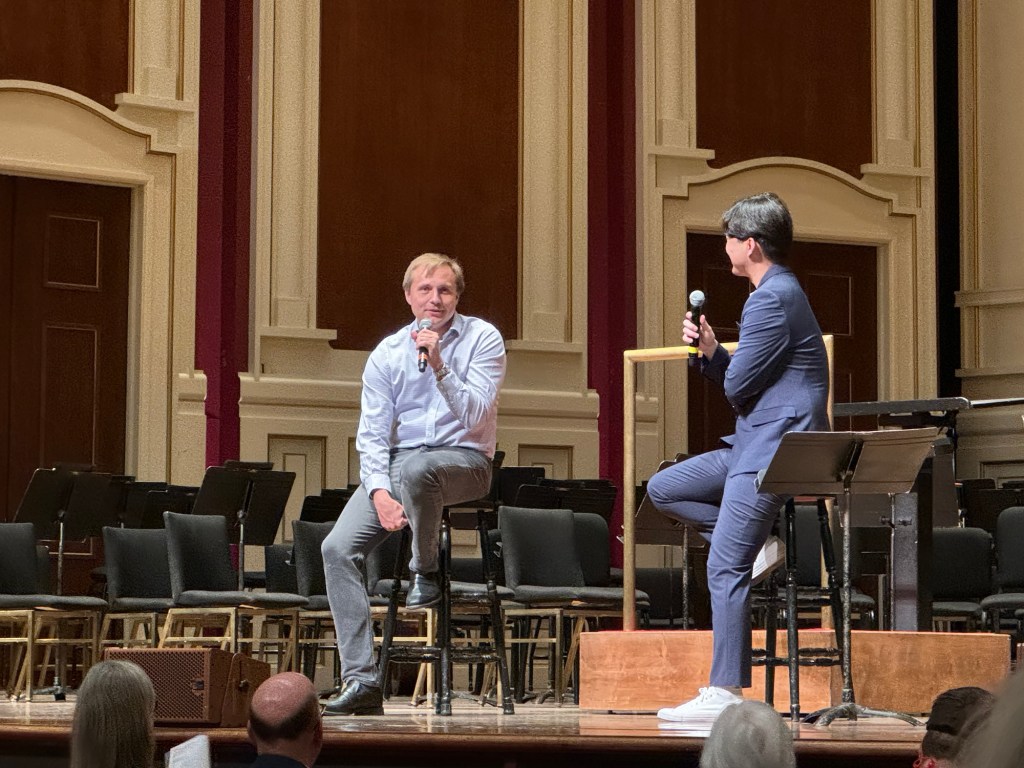
Preconcert interview with Vasily Petrenko, moderated by PSO associate conductor Moon Doh

Liszt’s Piano Concerto No. 1 introduced British pianist Benjamin Grosvenor. Bellicose beginnings were furthered encouraged by the pianist’s steely-toned octaves, but the work wasn’t all fireworks and bombast, being interspersed with lyrical episodes often in dialogue with an orchestra member. The tone produced from the Steinway was bit too bright for my taste, though I’m not sure whether to point fingers at the pianist or the piano.

The ringing of the triangle marked the scherzo section, answered by Grosvenor’s stylish playing. The octaves returned at breakneck speed, pointing the way towards the concerto’s blistering end. An enthusiastic reception brought Grosvenor back for an encore in Horowitz’s transcription of Sousa’s Stars and Stripes Forever. Thunderous bass octaves and intricate filigree in the upper register made for a fun close to the first half – and perhaps a suitable welcome to summer.

Though he didn’t include it amongst his numbered symphonies, Tchaikovsky’s Manfred is one of his most significant orchestral works, chronologically falling between the Fourth and Fifth symphonies. Like the Dukas that opened, it too draws programmatic inspiration from poetry, in this case, Lord Byron. Nearly an hour long, it can be abstruse work to interpret, but Petrenko (who has recorded the work with the Royal Liverpool Philharmonic) made a clear and compelling case for it. I would perhaps suggest a parallel with Liszt’s Dante Symphony heard earlier this season, hyper-Romantic, literary works scored for large orchestra, both perhaps a bit bloated but which nonetheless have much to say when given an incisive interpretation.

Lugubrious, tragic beginnings were had in the expansive opening movement, outlining a brooding main theme that swelled to great passions, depicting our Romantic hero. The Vivace con spirito that followed was lighter fare by comparison, with a central section lush and lyrical. Mercurial filigree in the high strings surfaced near the movement’s end to striking effect. The Andante con moto featured a songful oboe solo, a moment of peace amidst the tumult. The finale amounted to long, arduous journey in of itself. At the very end, the organ filled Heinz Hall for a remarkable moment of lavish orchestration, and the closing hymn led to a peaceful if somber resolution in evocation of Manfred’s death. While the Manfred Symphony might not be a masterpiece on par with the composer’s final three numbered symphonies, a performance like this nonetheless compels one to give it ample attention.

A devilish afternoon at the Pittsburgh Symphony

Pittsburgh Symphony Orchestra
Manfred Honeck, conductor
Leif Ove Andsnes, piano

Women of the Mendelssohn Choir of Pittsburgh
Daniel Singer, director

Heinz Hall
Pittsburgh, PA
April 21, 2024

Rachmaninoff: Piano Concerto No. 3 in D minor, Op. 30
 Encore:
 Chopin: Mazurka in D major, Op. 33 No. 2
Liszt: Dante Symphony, S109

Sunday afternoon’s Pittsburgh Symphony performance began on a somber note, with a moment of silence in memoriam of Sir Andrew Davis, who served as the PSO’s artistic advisor from 2005-07. Music director Manfred Honeck offered a few words and dedicated the performance to Davis’ memory. On a personal note, I have fond memories of seeing Davis often during his two decade stint at Lyric Opera of Chicago, and caught him in robust form as recently as last June with the Minnesota Orchestra.

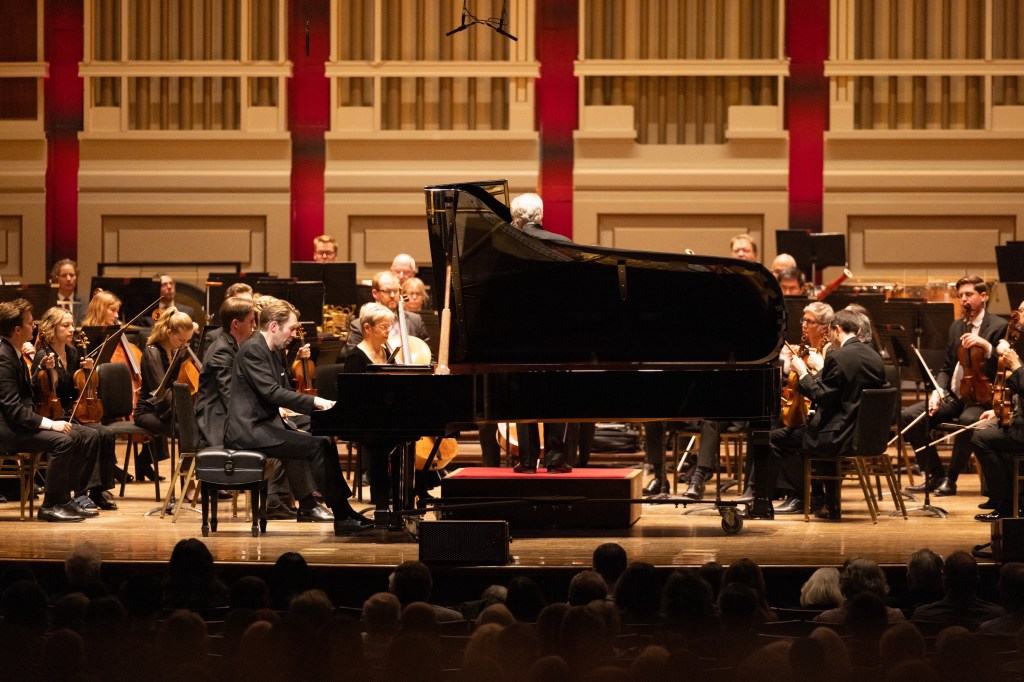
Leif Ove Andsnes with Manfred Honeck and the Pittsburgh Symphony, photos credit George Lange

The first half of the program was devoted to Rachmaninoff’s fiendishly difficult Third Piano Concerto, calling upon Leif Ove Andsnes as soloist. A barren, monastic melody opened, direct and undiluted in its expression before complexities multiplied. Andsnes drew a bold and robust tone, amply projecting through the hall and over the large orchestra. The PSO was a fine partner to the pianist, with some particularly sturdy playing from the brass. Andsnes opted for the larger of the two cadenzas the composer supplied, cresting to a thunderous climax.

The opening of the central intermezzo offered a rare respite for the piano, a strained paragraph for strings and winds to introduce a ravishing melody in the piano, increasingly impassioned. The finale proceeded as an electric march, with a grand, sweeping melody at the heart. One was kept at the edge of their seat through the sparkling coda in this bombshell of a performance. Andsnes returned for an encore in Chopin’s D major mazurka (op. 33 no. 2), bringing out the dance’s stylish rhythms and ineffable charm.

Matters went from warhorse to rarity with the latter half seeing a rare outing of Liszt’s Dante Symphony, an extensive work the composer wrote moved by his reading of the Divine Comedy (and a companion of sorts to the better-known Dante Sonata). This weekend marked the belated Pittsburgh premiere of the work, though I’ve had the unexpected fortune of seeing it elsewhere over the last few years – Chicago (2017) and Columbus (2022). Two large movements represent the Inferno and Purgatorio respectively; not feeling music could adequately represent Paradisio, Liszt instead opted to close with a brief Magnificat that employs a female choir.

Low brass opened in an uncompromising descent to hell, with thundering timpani further conjuring the inferno in no uncertain terms. A bit overblown, perhaps, but Honeck and the PSO were strong advocates of the work and offered a compelling interpretation. A lyrical contrast was provided in material that represented Francesca da Rimini, conveyed by the bass clarinet and harp. With a certain inevitability, the movement was brought to a bleak, crashing close – with all hope duly abandoned.

Purgatorio was far more at peace in music that appropriately suggested a sense of stasis. A fine passage for oboe was a highlight, as well as a moving chorale for low brass – here, no longer a menacing force. The closing Magnificat offered a spiritual glimpse of the divine, with the angelic voices of the women of the Mendelssohn Choir coming from backstage. High strings and harp further conveyed the celestial in this closing hymn, a touchingly beautiful statement that Wagner no doubt looked towards when writing the final moments of Parsifal.

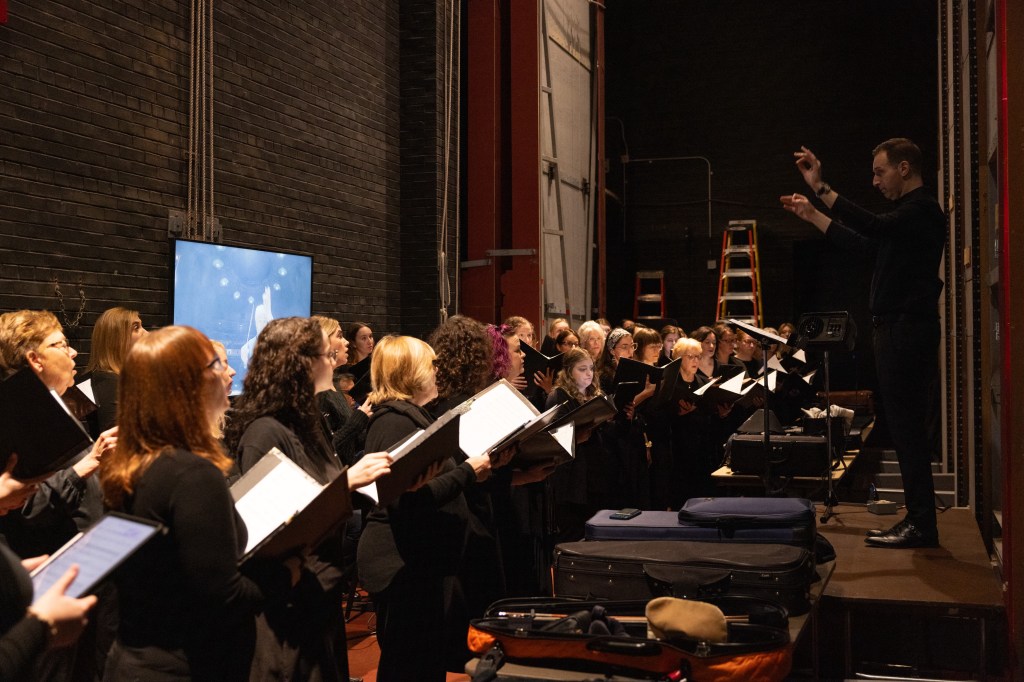
Daniel Singer leads the Women of the Mendelssohn Choir from backstage

Amidst program changes, Pittsburgh Symphony shines in Mozart and Schubert

Pittsburgh Symphony Orchestra
Manfred Honeck, conductor
Lorna McGhee, flute
Heinz Hall
Pittsburgh, PA
November 5, 2017

Mozart: Overture to Idomeneo, K366
Mozart: Flute Concerto No. 1 in G major, K313/285c
Schubert: Symphony No. 9 in C major, D944, Great

Last weekend’s program at the Pittsburgh Symphony underwent several iterations before taking its final form, and it was a testament to strength of the musicians on stage how polished the end result came across nonetheless. Christoph von Dohnányi was originally scheduled to conduct, but was forced to withdraw all of his autumn engagements (which were also to include appearances with the orchestras of New York, Boston, Cleveland, and Chicago) while still recovering from a fracture suffered earlier this year. Dohnányi’s program was slated to open with Bartók’s Music for Strings, Percussion, and Celesta, but when PSO music director Manfred Honeck stepped in, the Bartók was dropped in favor of Mozart’s Concerto for Flute, Harp, and Orchestra. All was well until harpist Gretchen Van Hoesen had the misfortune of a hand injury, and the program was altered one last time to a Mozart overture and flute concerto.

Manfred_Honeck_c_Felix_Broede_MG_2748-small_300
Manfred Honeck, photo credit Felix Broede

The overture to the opera seria Idomeneo boasted a stately, regal opening, but soon took some unexpected chromatic excursions. This brief but rousing selection was given with a grandeur and a high-energy workout by the PSO. The Flute Concerto No. 1 in G major brought PSO principal Lorna McGhee into the spotlight, a gifted soloist whom I have previously enjoyed hearing serve on occasion as guest principal at the Chicago Symphony (see here and here).

The opening Allegro maestoso was of pearly balance and clearly delineated proportions, while McGhee’s limber flute passages were a graceful addition, always with an elegant attention to phrasing, and the cadenza showed her at her acrobatic best. The central slow movement featured the unusual inclusion of a pair of orchestral flutes, and McGhee responded to her colleagues in kind with a gorgeous, long-breathed melody. As for the concluding rondo, playfulness and joviality abounded in Mozart at his sunniest, leading up to its unassuming tongue-in-cheek ending.

The one constant of the program otherwise in the aforementioned flux was Schubert’s Symphony No. 9 in C major, to make for a weighty second half. Now in his tenth season as music director, Honeck has cultivated a remarkable rapport with the musicians, and this was quite apparent in the way the moving parts of this daunting work came together so seamlessly. A spacious opening in the trombones served as a gentle call to attention, and a burst of energy inaugurated the movement proper. Honeck took matters at a brisk pace (with total performance time only just passing the 50-minute mark), and opted for a tauter structure in jettisoning the repeat of the exposition. The proportionally brief development was highlighted by fine solos from the principal winds, and in due course the trombones returned to herald a triumphant coda.

A sumptuous song without words made for a memorable slow movement, notable for the intensely lyrical solos in the oboe. Music of more urgency offered some contrast and initiated a gorgeous, flowing theme chiefly in the strings with guest concertmaster Alexi Kenney at the helm. There was breathless vigor in the scherzo, countered by a more songful trio, and the finale was yet another high-octane affair – while it began perhaps a notch too loud, this zealousness did little to detract from the symphony’s bold conclusion.

_O1A8961
Lorna McGhee, photo credit Takuyuki Saito