
Cleveland Orchestra
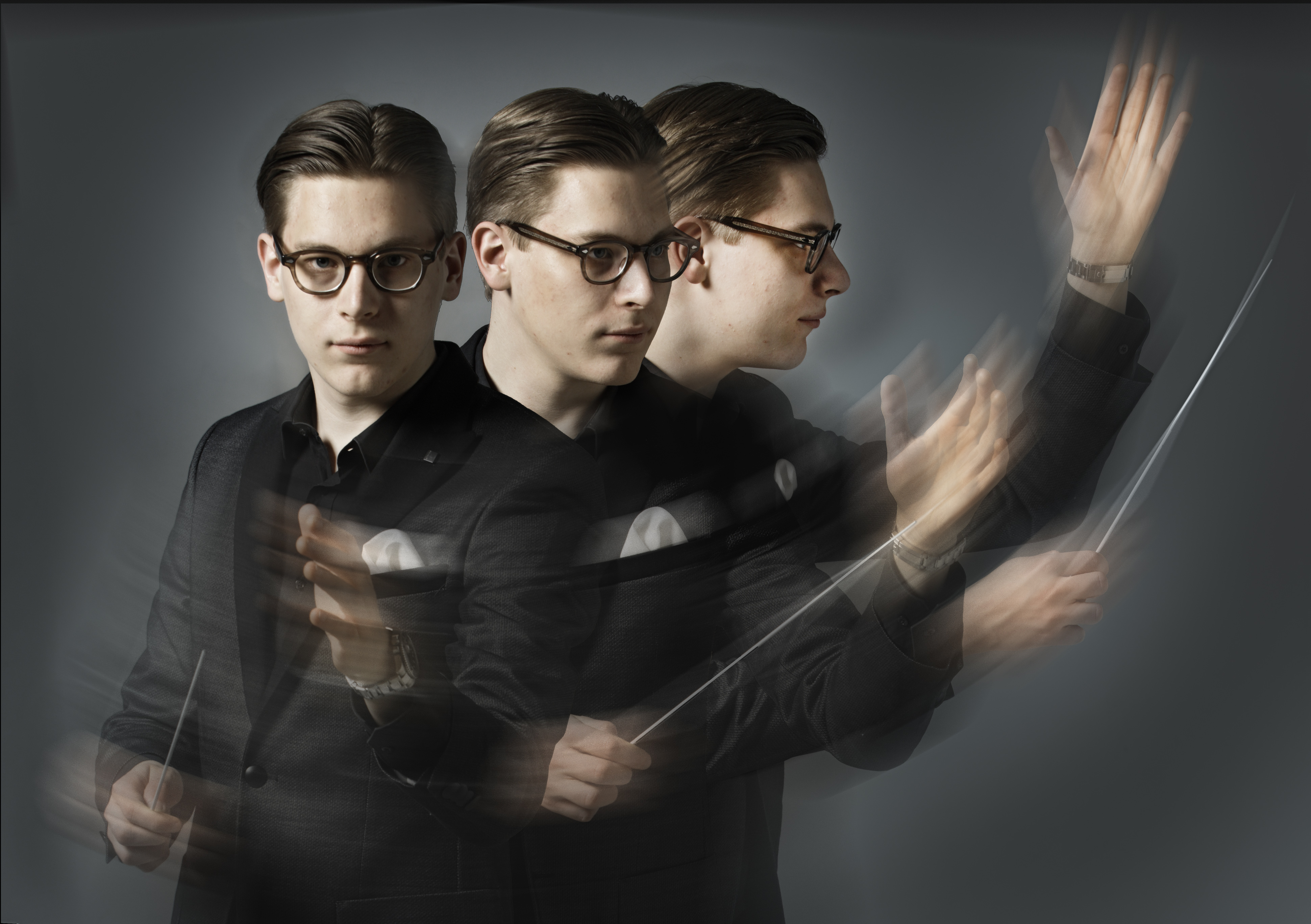
Klaus Mäkelä, conductor
Nikolaj Szeps-Znaider, violin
Mandel Concert Hall
Severance Music Center
Cleveland, OH
April 23, 2022
Sibelius: Violin Concerto in D minor, Op. 47
Encore:
Bach: Partita No. 2 in D minor, BWV 1004 – Sarabande
Shostakovich: Symphony No. 10 in E minor, Op. 93
Following one of the most memorable debuts in recent seasons, the amazingly youthful Finnish conductor Klaus Mäkelä made a much-anticipated return to Cleveland in a meaty program of Sibelius and Shostakovich. Sibelius was represented by way of his towering Violin Concerto, a work first performed in Cleveland in 1922 by Ferenc Vecsey, the concerto’s dedicatee. The work opened shrouded in mysterious tremolos, with soloist Nikolaj Szeps-Znaider pointing the way with resonant lyricism. Thornier material swiftly multiplied virtuoso demands, played with aplomb and searing passion – and the energetic orchestral accompaniment evidenced Mäkelä’s innate understanding of his fellow Finn.

Szeps-Znaider’s command of his instrument was on full display in the extended cadenza, intriguingly placed in the center of the movement in emphasis of its structural significance. Much-need repose was to be had in the central Adagio di molto, noted for its wonderfully long-breathed melody. Contrast was once again found in the finale with its foot-tapping polonaise rhythms. As an encore, the violinist offered a deeply poignant Bach sarabande which he noted to be his token of gratitude for being back in Cleveland for the first time post-pandemic.
Quiet rumblings began Shostakovich’s mighty Tenth Symphony, reaching towards ponderous depths. A forlorn clarinet solo – which has been astutely compared to Mahler’s Urlicht – was profoundly moving, and the climaxes scaled cataclysmic heights – a pacing that benefitted from the conductor’s singular sense of architecture. An unexpected physical manifestation of the intensity with which he conducted came when he inadvertently knocked over the concertmaster’s music stand! The brief Allegro, often thought to be a portrait of Stalin, was unrelenting and uncompromising, not in the least during the machine gun fire of the percussion.
Rather flippant by comparison, the Allegretto introduced the DSCH motive, with the politically engaged composer ever keen to willingly inject himself into the commentary. The gleaming Elmira motive in the horn further solidified the composer’s personal connection to the work. A slow introduction – the closest thing to a proper slow movement in this symphony – opened the finale, as if the composer was gathering together his final thoughts. The DSCH returned in incessant prominence, hammered home for a powerhouse conclusion. Just a stunning performance from this dynamic podium presence.
 quasi-faust