Inkinen makes Cleveland Orchestra debut in hearty Eastern European program

Cleveland Orchestra
Pietari Inkinen, conductor
Augstin Hadelich, violin
Mandel Concert Hall
Severance Music Center
Cleveland, OH
November 24, 2023

Dvořák: Othello Overture, Op. 93
Tchaikovsky: Violin Concerto in D major, Op. 35
 Encore:
 Forrester: Wild Fiddler’s Rag
Dvořák: Symphony No. 8 in G major, Op. 88

The Thanksgiving weekend saw the Finnish conductor Pietari Inkinen make his Cleveland Orchestra debut in a program of works all composed within just over a decade and from the heart of Eastern Europe. Dvořák’s Othello Overture opened, conceived as the final entry of a trilogy of related overtures. Written just four years after Verdi’s landmark opera on the same subject, Dvořák likely drew inspiration from the Italian he greatly admired, though his overture tended to suggest the essence of the Shakespearean source material rather than spell out a specific narrative.
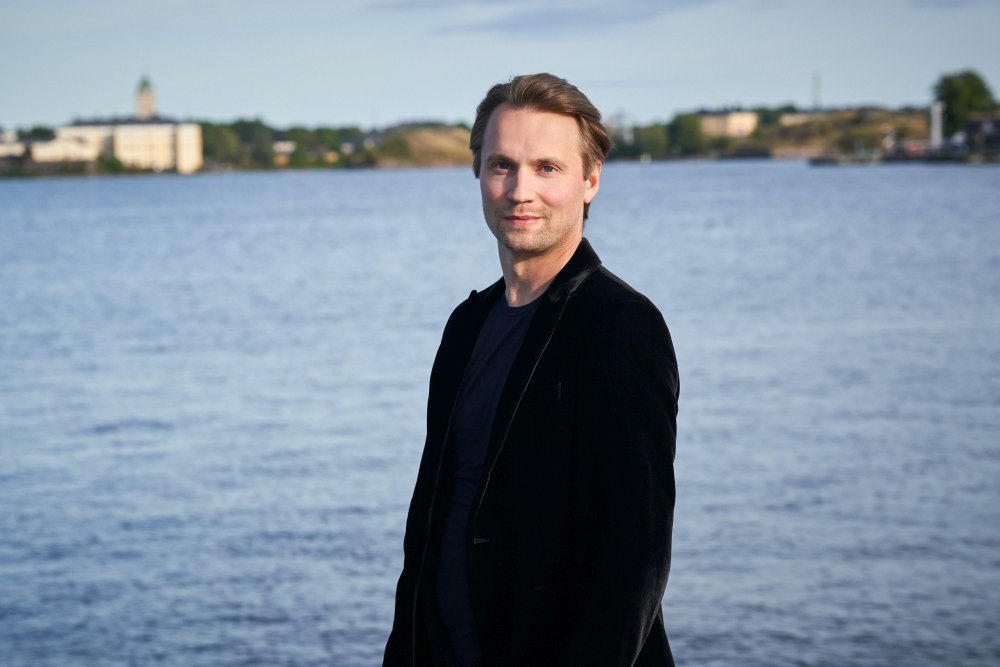
Pietari Inkinen, photo credit pietariinkinen.com

Slow and somber introductory material built to music of great drama. It seemed that Inkinen could have benefited from some additional rehearsal time with a handful of uncoordinated entrances, but an effective performance was managed nonetheless. The slow material returned at the end, with stentorian brass strikingly invoking the slumber motif from Wagner’s Die Walküre as something of a final prayer before the unequivocally tragic end. So much of the time Dvořák is programmed we hear one of the last few symphonies (or the cello concerto), but this overture was a welcome discovery, and should certainly encourage listens to look at Dvořák’s orchestral corpus beyond the warhorses.

The balance of the program, however, was dedicated to warhorses – and in no way a detriment! Tchaikovsky’s evergreen Violin Concerto called upon soloist Augustin Hadelich. A gentle dip set things in motion in this most graceful of openings, with Hadelich’s solo line articulate, keenly phrased, and above all, richly lyrical. Nimble and nuanced, he displayed some especially impressive fingerwork in the cadenza. A choir of winds opened the central Canzonetta, and the songful, mournful violin purveyed a delicate cantilena. The finale is such joyous affair for someone who lived such a tragic life as its composer, and Hadelich’s sprightly virtuosity closed the work in the highest spirits. He returned for a well-deserved encore, his own arrangement of Howdy Forrester’s Wild Fiddler’s Rag – a piece of great fun with its bluesy inflections.

Franz Welser-Möst set the bar high for Dvořák’s Eighth Symphony two seasons ago; while Inkinen didn’t quite reach that height, it was here he made the strongest impression – and opted to conduct this score from memory. The deeply lyrical opening gesture gave way in due course to material of an inimitable Bohemian charm, aided by fine solo passages from the principal winds. Still, greater dynamic contrast would have helped, with conductor leaning a bit too heavily in the orchestra’s upper end of the range.

A bucolic slow movement built to a resonant climax, and the lovely Allegretto grazioso was flowing and deftly shaped, though a tad rushed for my taste. The call to arms in the trumpet initiated the energetic and often boisterous finale, nearly overflowing with gracious material that never strayed far from the composer’s Czech origins. On a final note, how gratifying it was to see nearly every seat of Severance Hall filled, and with such a warm, enthusiastic audience.

Augustin Hadelich, photo credit Suxiao Yang

An unexpected Severance Hall debut yields appealing results

Cleveland Orchestra
Klaus Mäkelä, conductor
Augustin Hadelich, violin
Severance Hall
Cleveland, OH
October 17, 2019

Messiaen: Les Offrandes oubliées
Prokofiev: Violin Concerto No. 2 in G minor, Op. 63
 Encore:
 Tárrega: Recuerdos de la Alhambra
Beethoven: Symphony No. 7 in A major, Op. 92

Following the cancellation of Jaap van Zweden, the weekend’s Cleveland Orchestra concerts found a substitute in the shape of the youthful Finnish conductor Klaus Mäkelä, poised to become chief conductor of the Oslo Philharmonic next season. Thursday counted as Mäkelä’s Severance Hall debut, having first conducted TCO at Blossom just a few months ago. Van Zweden’s program stayed intact save for the originally slated opener of Louis Andriessen’s Agamemnon, which hopefully can be revisited in a future season. When faced with a last-minute program change, most orchestras would opt for the familiar, but not so for TCO who turned attention to Messiaen’s Les Offrandes oubliées.

Makela_17-04-25_067c_A4
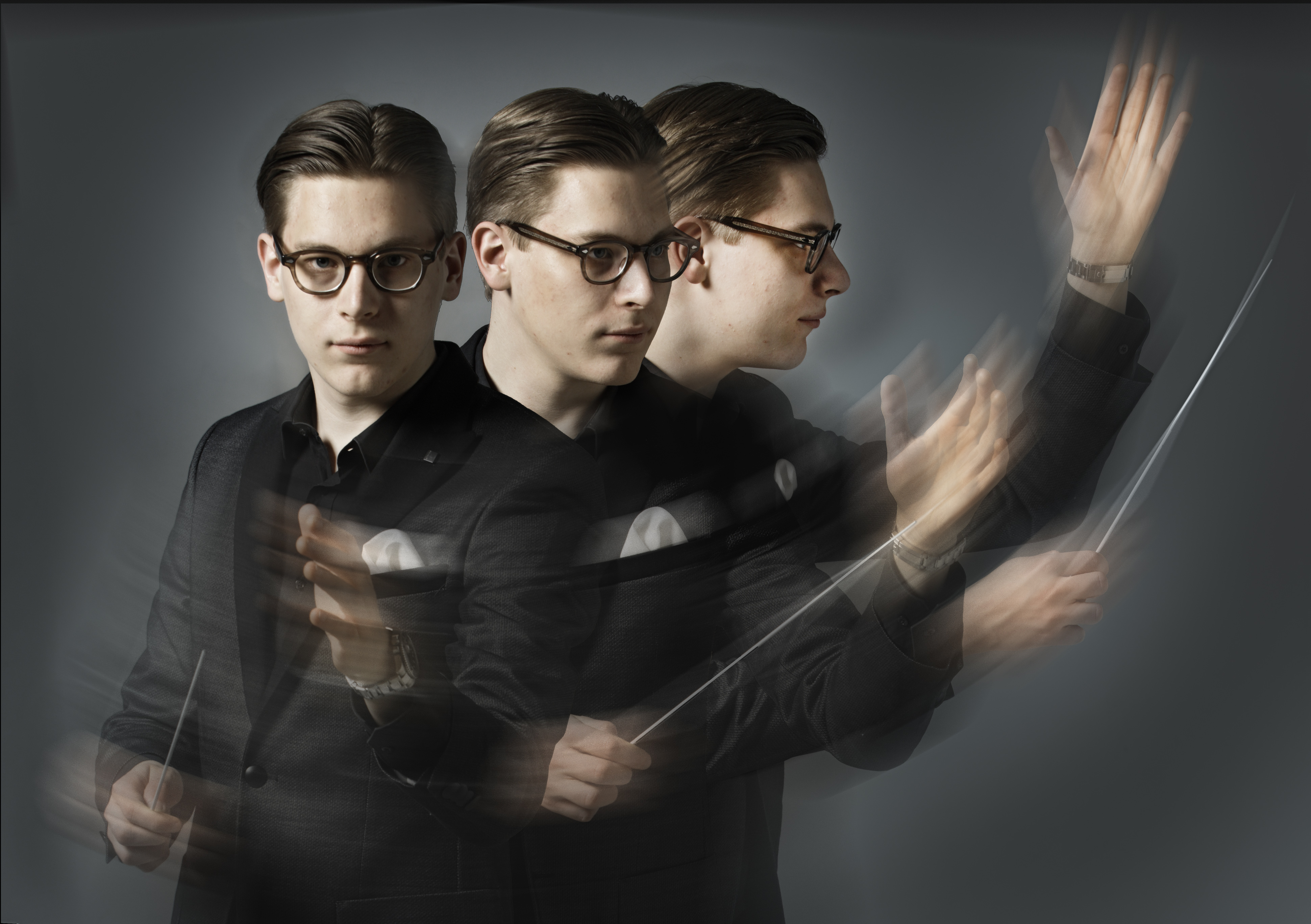
Klaus Mäkelä, photo credit Heikki Tuuli

Dating from 1930, Les Offrandes oubliées is the composer’s first published orchestral work (a piano transcription would follow the next year). Structured as triptych in evocation of the trinity, the plaintive opening was almost monastic in its austerity. The central section contrasted in every way, often violent in intensity, and time stood still in the glacially-paced final panel, entranced in spiritual contemplation – even in spite of the particularly vociferous army of coughers present in Thursday night’s audience.

Violinist Augustin Hadelich was also making his Severance Hall debut, having performed with this orchestra a handful of times at Blossom since 2009. Prokofiev’s Violin Concerto No. 2 shows the composer at his most lyrical, beginning unaccompanied with a winding and rather unsettling lyricism emanating from Hadelich’s “Ex-Kiesewetter” Stradivarius. The orchestra supported him via a colorful accompaniment, with Hadelich in deft balance, always achieving a clear projection. The central slow movement features one of Prokofiev’s most lush and lovely melodies, so different from the motoric and mechanistic works of his youthful years as an iconoclastic firebrand. Near the movement’s end was a striking role reversal wherein Hadelich offered a pizzicato accompaniment to buttress the orchestra’s lyricism. The foot-tapping finale was given with a driving vigor, its dance inflections heightened by the use of castanets, also a nod to where the concerto received its 1935 premiere: Madrid. Hadelich’s encore continued the Spanish thread with a transcription of Tárrega’s Recuerdos de la Alhambra, the rapid repeated notes of mesmerizing effect.

The finale of the Prokofiev also dovetailed neatly with the closing Beethoven: none of Beethoven’s works invoke dance as much as the Seventh Symphony, which Wagner famously called “the apotheosis of the dance.” The introduction, the longest of any of the Beethoven symphonies, was given with marked weight in hinting at all that was to come. Rhythmic fragments were introduced, eventually coalescing into the movement proper’s thematic material, heralded by principal flute Joshua Smith. Featherlight textures danced, soon to be countered by the might of the full orchestra. The principal winds were all in fine form, the leading force of the orchestra’s seemingly boundless reserves of energy.

Mäkelä rightly conducted the Allegretto not as a funereal dirge, but in emphasizing its songful beauty, with matters solemn and often awe-inspiring. Rambunctious strings took flight in the scherzo, contrasted by the gleaming brass of its trio. The energy was cranked up yet another notch for the finale, taken at a brisk, uncompromising tempo. An all-around strong showing from a talented young conductor.