
Jorge Federico Osorio, piano
Mary B. Galvin Recital Hall
Evanston, IL
April 1, 2017
Beethoven: Piano Sonata No. 14 in C sharp minor, Op. 27 No. 2, Moonlight
Schubert: Piano Sonata No. 20 in A major, D959
Debussy: Préludes, Book II
Encores:
Granados: Andaluza, No. 5 from Danzas españolas, Op. 37
Granados: Orientale, No. 2 from Danzas españolas, Op. 37
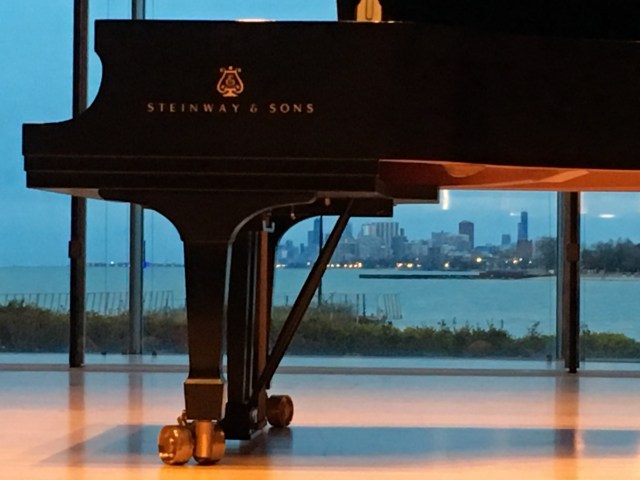
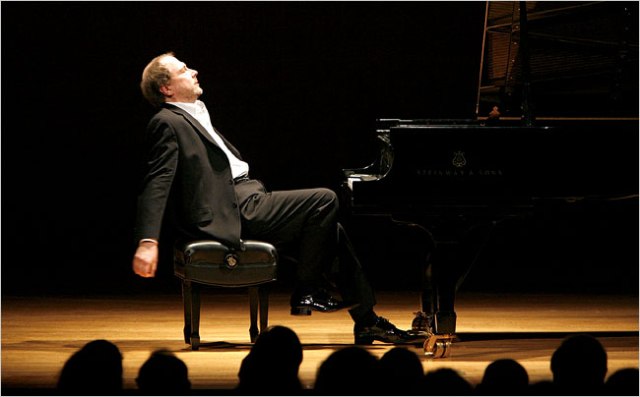
For piano enthusiasts, the Skyline Piano Artist Series at Northwestern, now in its second season, has become an essential complement to the Sunday afternoon recitals downtown at Symphony Center. The venue of choice for the series is the recently built Galvin Recital Hall, one of Chicagoland’s most striking concert spaces, an intimate setting boasting stellar acoustics and stunning views of Lake Michigan and the distant Chicago skyline. Chicago-based pianist Jorge Federico Osorio made a welcome appearance and offered a weighty program of Beethoven, Schubert, and Debussy.
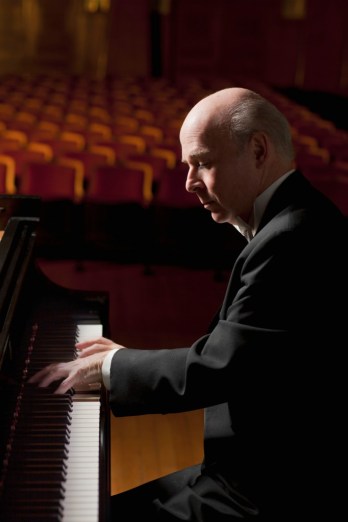
In change from the order on the printed program, Osorio proceeded with Schubert’s late, great A major piano sonata (D959) to juxtapose the two epochal Viennese sonatas, both of which redefined the genre. The grandeur of the capacious opening movement had an ineffable Schubertian grace, and Osorio opted for the lengthy repeat of the exposition. A thoughtful sense of narrative guided the pianist in the labyrinths of the development, and its introspection was maintained through the mysterious, arpeggiated coda. The Andantino had the lyricism of a song without words, and built to menacing outbursts in the strikingly contrasting middle section, while the scherzo danced in its mercurial drama, complemented by an especially lovely trio. In the finale, the main theme’s blissfulness belied a dramatic potential which Osorio was keen to explore, and the movement harked back to the sonata’s declamatory opening in its concluding moments.
The moonlight shimmered in La terrasse des audiences du clair de lune, and how apt it was given this prelude and the Beethoven sonata that concertgoers would leave the hall to the sight of a beautiful crescent moon. Ondine was perhaps the most impressionistic of the set in its fantastical evocation of the titular water sprite. The bombast of Hommage à S. Pickwick Esq. P.P.M.P.C. was countered by Canope, which for Osorio was a study in the beauty and purity of tone. While Les tierces alternées sounds like the name of a dry Czerny etude, here the alternating thirds were used for solid musical purposes rather than mere technique. The Préludes concluded with the unrelenting technical tour de force that is Feux d’artifice, and Osorio delivered it with panache and élan.
No Osorio recital would be complete without music from the Spanish speaking world, and the two Granados encores filled the gap. Both were extracted from the 12 Danzas españolas: a jaunty “Andaluza”, fittingly paired with the touchingly lyrical “Orientale”.
 quasi-faust