
The Cleveland Orchestra
John Adams, conductor
Aaron Diehl, piano
Mandel Concert Hall
Severance Music Center
Cleveland, OH
February 19, 2026
Ives: From Greenland’s Icy Mountains (from Symphony No. 4)
Andres: Made of Tunes
Adams: Frenzy
Piazzolla-Adams: Three Tangos
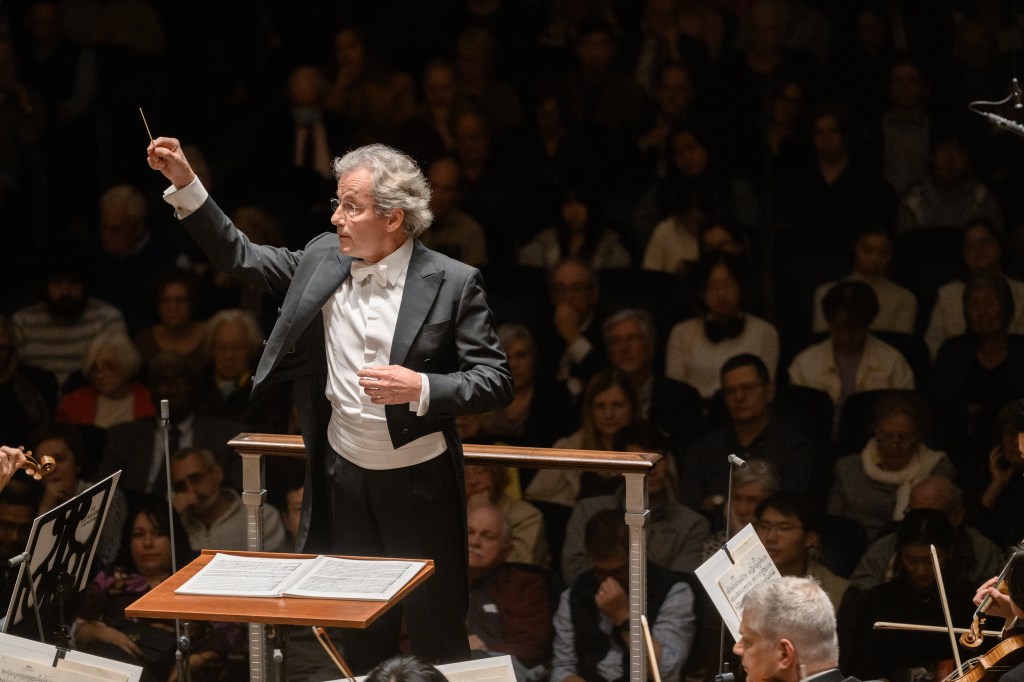
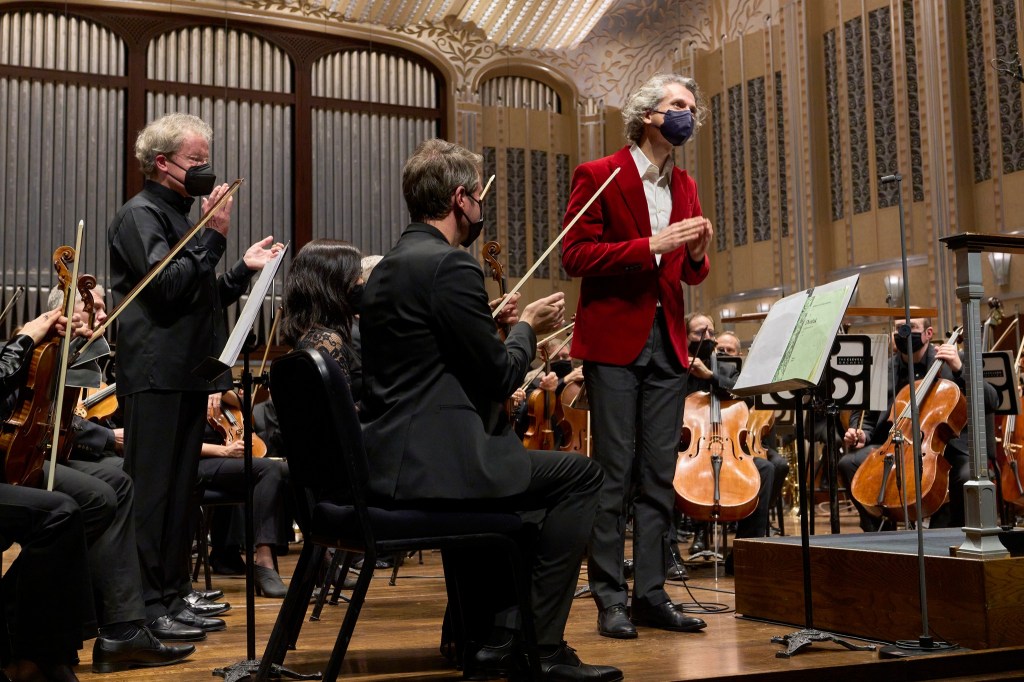
Following the previous week’s American program with Barbara Hannigan, The Cleveland Orchestra presented a second offering of American works with the doyen of living American composers himself at the podium, John Adams. Adams has a long, fruitful history with TCO and this years marks the 35th anniversary of his local debut.
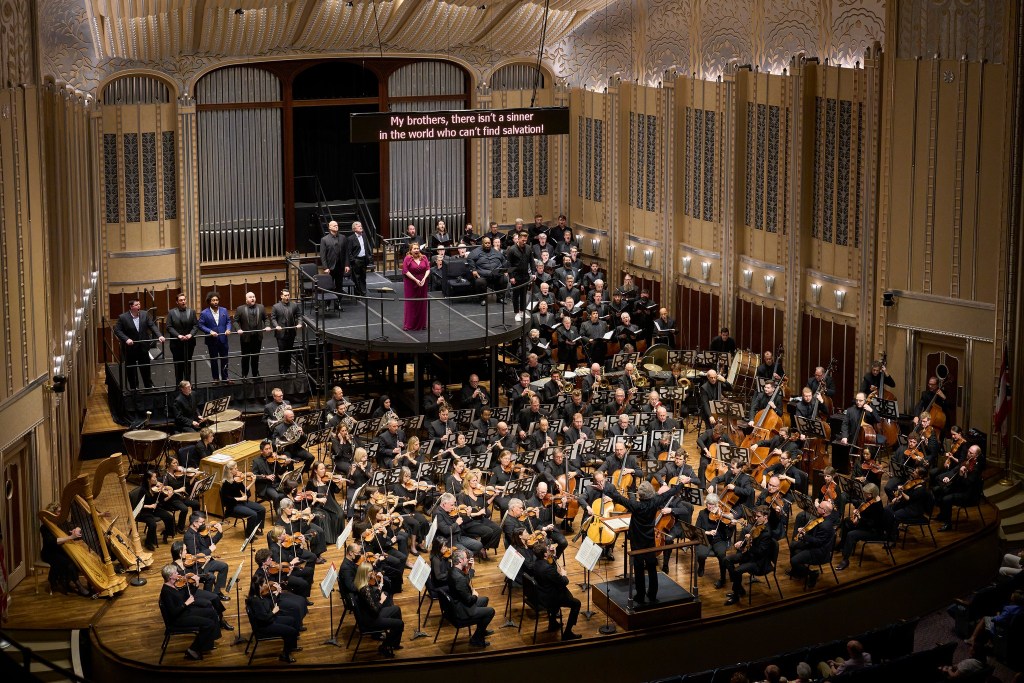
The evening opened with one of the most inventive of American voices in Charles Ives, selecting the third movement fugue from his Fourth Symphony. Titled From Greenland’s Icy Mountains, it’s somewhat amusing/alarming to think this program was devised well before Greenland has become central to our attention in today’s fractious political climate. The fugue’s subject was initially stated in the low strings, and the music was direct and unadorned, contrasting from the bracing, cacophonous soundscapes one might more typically associate with Ives. TCO offered sharp clarity of the contrapuntal lines, and the brassy spine of the piece was softened by touches of organ. This performance certainly made me keen to hear the complete symphony.
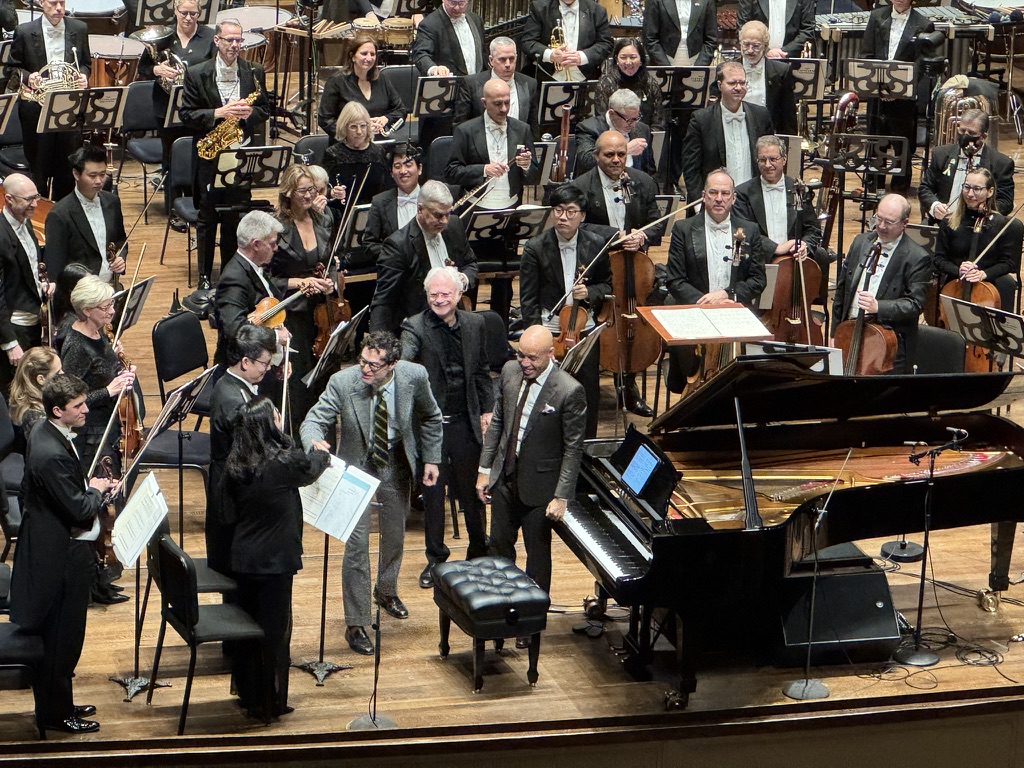
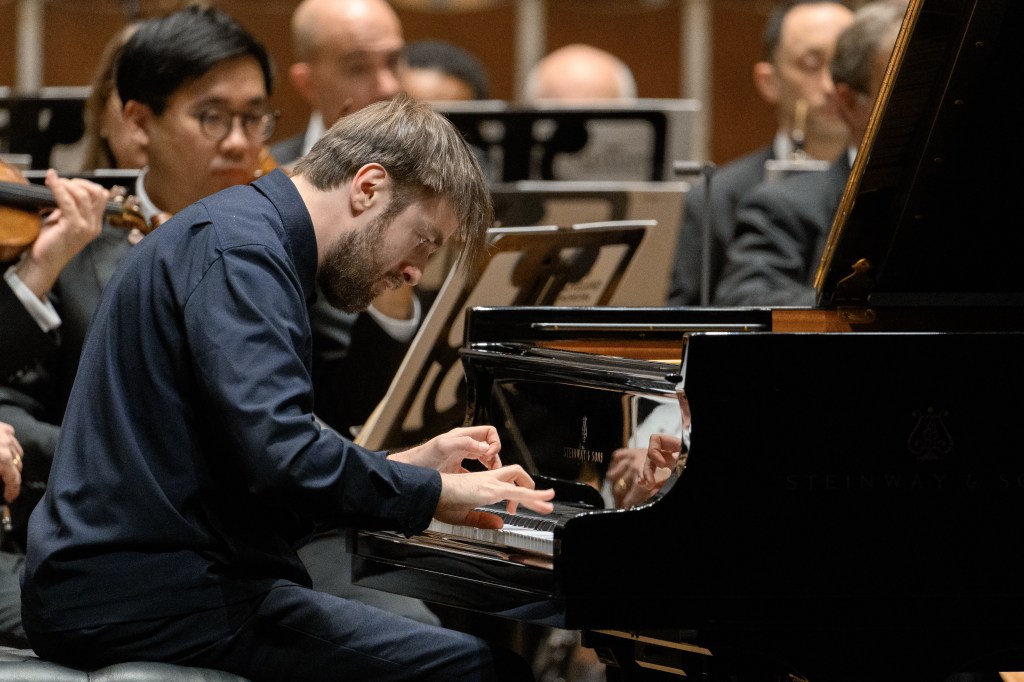
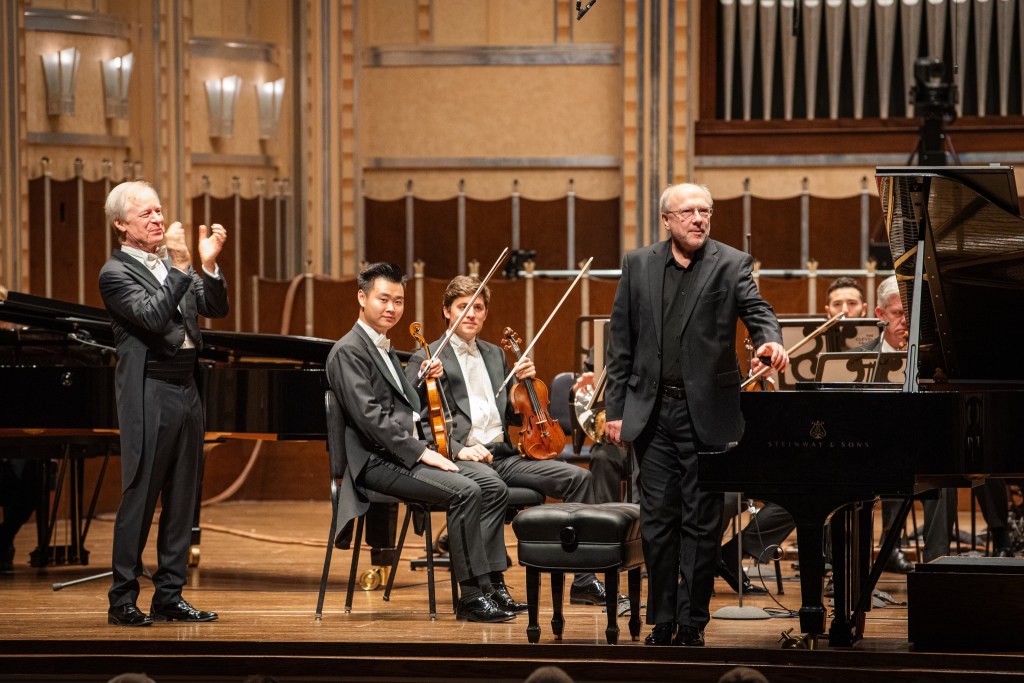
A new piano concerto from Timo Andres followed. Premiered in March 2024 at the LA Phil, Made of Tunes takes its title from a song by Ives and was dedicated to pianist Aaron Diehl — who served as soloist in the present performances as well. A resonant brass chorale opened, giving way to clangorous percussion in the large, colorful ensemble for which it was scored. The piano settled into a captivating rhythmic groove, colored by spiky, rather Ivesian tone clusters. Diehl delivered a commanding, energetic pianism, enhanced by an orchestral brilliance that swelled to grand climaxes.
Given the title Come, Labor On, the first movement took the titular hymn by Thomas Tertius Noble as a starting point. The second and final movement, on the other hand, was styled as American Noctural and cast in six variations on an original theme. Beginning for piano alone, a gentle presentation of the theme was made all the more beguiling by its piquant dissonances. This movement gave the pianist an opportunity to show his fluidity in textures of delicate filigree, as well as sections that asked him to improvise, a nod to his jazz training. After a segment of meditative calm, there was another crashing climax before the concerto reached a peaceful close. Certainly an exciting listen, the composer was on hand to be recognized with an enthusiastic reception. Diehl returned to the keyboard for an encore of a work by stride composer James P. Johnson, nearly setting the keys on fire with his rapid left hand leaps!
The latter half of the program was devoted to recent works by Adams himself. Frenzy: A Short Symphony was premiered by the London Symphony in 2024 and counts as Adams’ newest major orchestral work. Conceived as a single twenty-minute movement, its main thematic material comes from the second act of the composer’s opera Antony and Cleopatra. Like the Ives symphonies before him, for his symphony Adams took inspiration from both the European classics and the American vernacular.
The music was immediately recognizable as Adams with his familiar stamp in pulse, timbre, and forward propulsion. Shimmering strings and boisterous brass made for an alluring soundscape. A slower section function like a slow movement, colored by the tinsel of percussion and harp. The “frenzy” title was most appropriate for the final section, with an infectious beat that pointed towards a brilliant, frenetic coda.
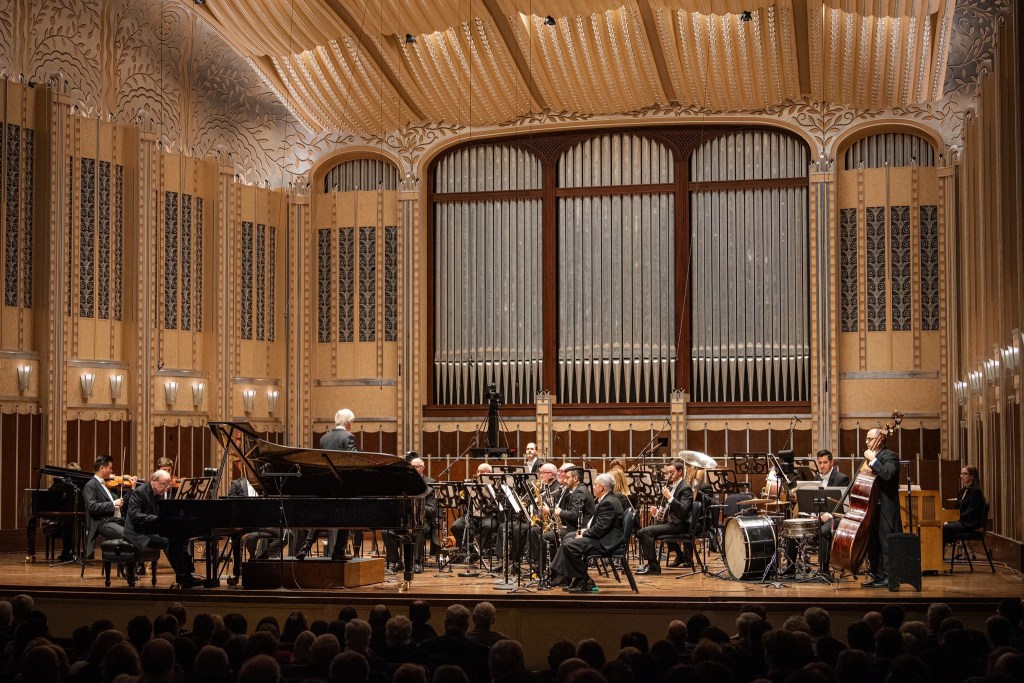
The evening closed auspiciously with a premiere of a brand new work from the composer-conductor, based on three tangos by the Argentine Astor Piazzolla. Adams referred to these not as transcriptions or arrangements, but realizations, judiciously infusing them with his own style and orchestration to help give these remarkable pieces a firmer place in the concert hall. The scoring of La Mufa favored the lower range of the orchestra, countered by an elegant melody in the violins. Oblivion was gently touching, highlighted by a long-breathed oboe solo from Frank Rosenwein. The justly famous Libertango made a lasting impression with its captivating tango rhythms.





 quasi-faust