
Pittsburgh Symphony Orchestra
Manfred Honeck, conductor
Leif Ove Andsnes, piano
Women of the Mendelssohn Choir of Pittsburgh
Daniel Singer, director
Heinz Hall
Pittsburgh, PA
April 21, 2024
Rachmaninoff: Piano Concerto No. 3 in D minor, Op. 30
Encore:
Chopin: Mazurka in D major, Op. 33 No. 2
Liszt: Dante Symphony, S109
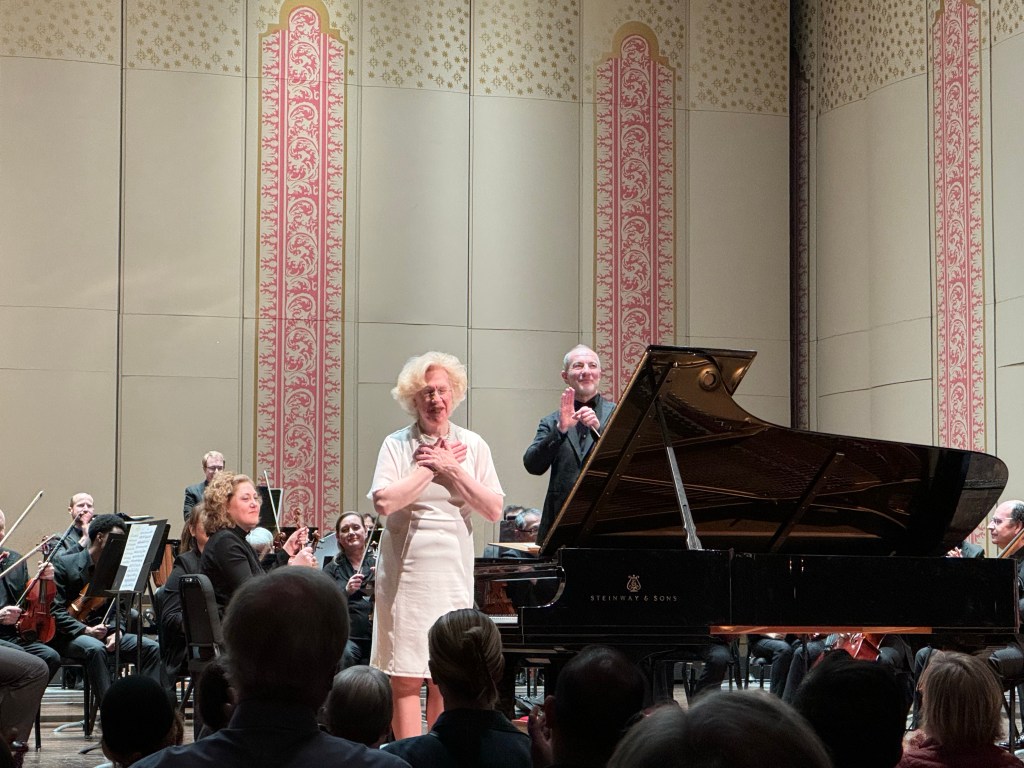
Sunday afternoon’s Pittsburgh Symphony performance began on a somber note, with a moment of silence in memoriam of Sir Andrew Davis, who served as the PSO’s artistic advisor from 2005-07. Music director Manfred Honeck offered a few words and dedicated the performance to Davis’ memory. On a personal note, I have fond memories of seeing Davis often during his two decade stint at Lyric Opera of Chicago, and caught him in robust form as recently as last June with the Minnesota Orchestra.
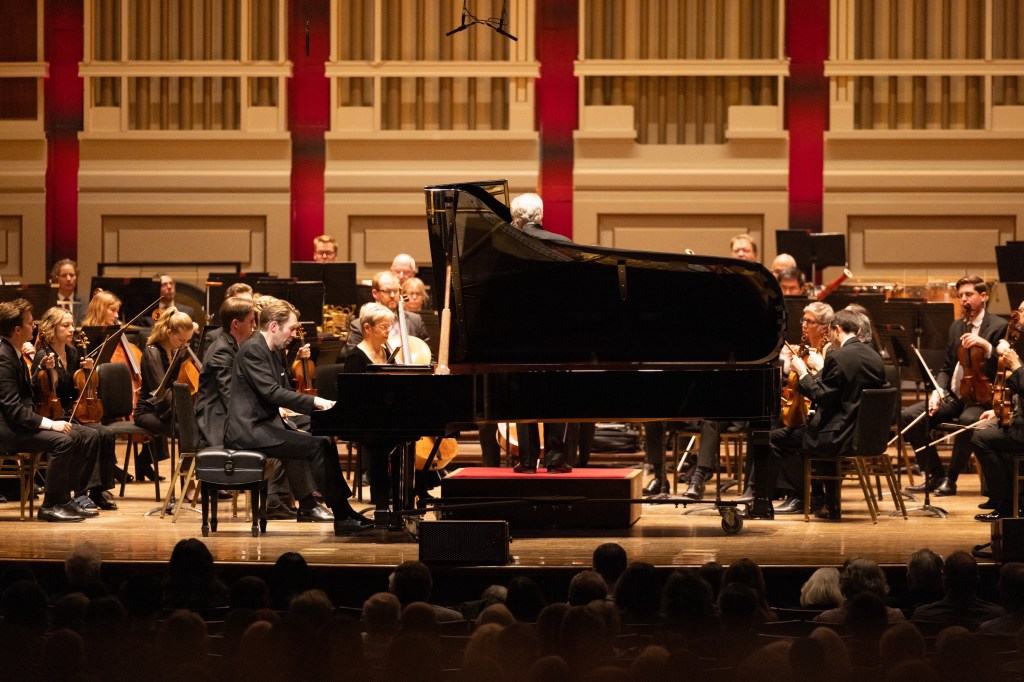
The first half of the program was devoted to Rachmaninoff’s fiendishly difficult Third Piano Concerto, calling upon Leif Ove Andsnes as soloist. A barren, monastic melody opened, direct and undiluted in its expression before complexities multiplied. Andsnes drew a bold and robust tone, amply projecting through the hall and over the large orchestra. The PSO was a fine partner to the pianist, with some particularly sturdy playing from the brass. Andsnes opted for the larger of the two cadenzas the composer supplied, cresting to a thunderous climax.
The opening of the central intermezzo offered a rare respite for the piano, a strained paragraph for strings and winds to introduce a ravishing melody in the piano, increasingly impassioned. The finale proceeded as an electric march, with a grand, sweeping melody at the heart. One was kept at the edge of their seat through the sparkling coda in this bombshell of a performance. Andsnes returned for an encore in Chopin’s D major mazurka (op. 33 no. 2), bringing out the dance’s stylish rhythms and ineffable charm.
Matters went from warhorse to rarity with the latter half seeing a rare outing of Liszt’s Dante Symphony, an extensive work the composer wrote moved by his reading of the Divine Comedy (and a companion of sorts to the better-known Dante Sonata). This weekend marked the belated Pittsburgh premiere of the work, though I’ve had the unexpected fortune of seeing it elsewhere over the last few years – Chicago (2017) and Columbus (2022). Two large movements represent the Inferno and Purgatorio respectively; not feeling music could adequately represent Paradisio, Liszt instead opted to close with a brief Magnificat that employs a female choir.
Low brass opened in an uncompromising descent to hell, with thundering timpani further conjuring the inferno in no uncertain terms. A bit overblown, perhaps, but Honeck and the PSO were strong advocates of the work and offered a compelling interpretation. A lyrical contrast was provided in material that represented Francesca da Rimini, conveyed by the bass clarinet and harp. With a certain inevitability, the movement was brought to a bleak, crashing close – with all hope duly abandoned.
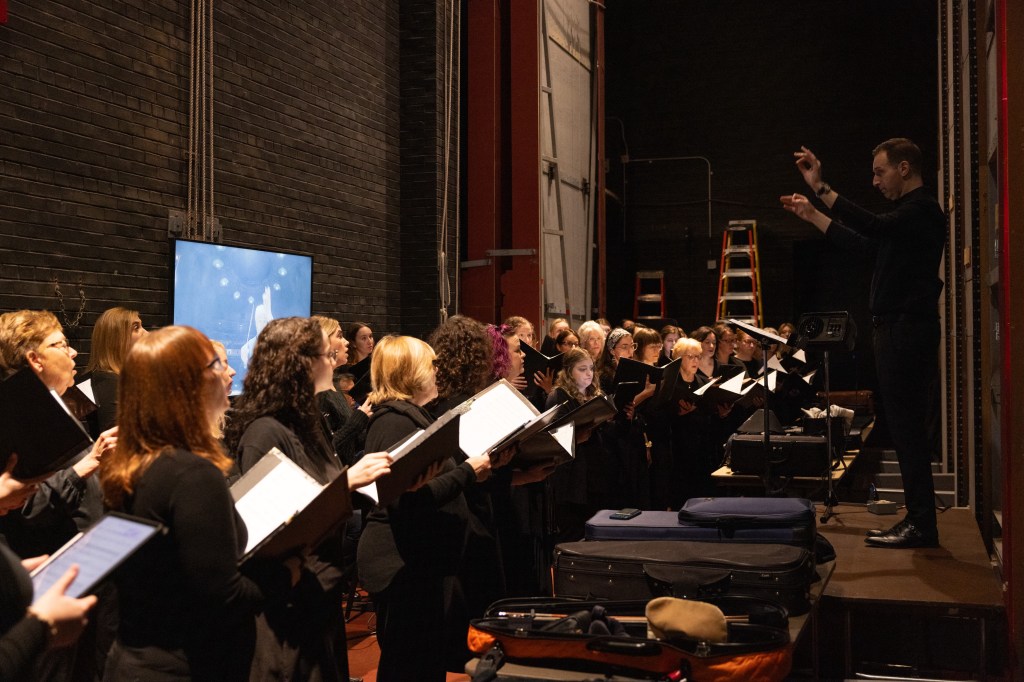
Purgatorio was far more at peace in music that appropriately suggested a sense of stasis. A fine passage for oboe was a highlight, as well as a moving chorale for low brass – here, no longer a menacing force. The closing Magnificat offered a spiritual glimpse of the divine, with the angelic voices of the women of the Mendelssohn Choir coming from backstage. High strings and harp further conveyed the celestial in this closing hymn, a touchingly beautiful statement that Wagner no doubt looked towards when writing the final moments of Parsifal.



 quasi-faust