ProMusica musicians delight in folk-inspired chamber works

Victoria Moreira, violin
Joel Becktell, cello
Renee Keller, marimba & percussion
The Fives
Columbus, OH
February 18, 2022

Piazzolla: Fugata
Piazzolla: Mumuki
Barilari: The Mysteries
Kodály: Duo for Violin and Cello, Op. 7
Diz: Poema Bachiano
Granados: Danzas españolas, Op. 37 – No. 2 “Orientale”
Bartók/arr. Kraeuter – Selected Hungarian Folk Melodies
Piazzolla: Milonga del Angel
Piazzolla: Lo que vendrá

Friday evening saw the first of a series of three chamber music performances featuring various combinations of players from ProMuscia. The venue of choice was The Fives, ProMusica’s home last season wherein they found a way to perform even in the midst of the pandemic. Friday brought forth Victoria Moreira, Joel Becktell, and Renee Keller in music for violin, cello, and marimba – an intriguing if unusual combination. There’s a paucity of repertoire for these forces as one might expect; most of the selections were thus presented in arrangements or adaptations to fit the ensemble at hand. The program was refreshingly offbeat, with the common thread being each composers’ engagement with the folk music traditions of their respective homelands. Additionally, there was acknowledgement of Astor Piazzolla’s centenary (last year) with two pairs of the Argentine’s works framing the recital.

L-R: Victoria Moreira, Renee Keller, and Joel Becktell, photo credit ProMusica

Piazzolla’s Fugata opened the program, its contrapuntal intricacies tinged with a distinctive Latin flavor. From the onset, we were introduced to the appealing sound of this novel instrumentation and the fluid chemistry of the three musicians on stage. Mumuki was touchingly lyrical, and the scoring put the often stratospherically high cello in the spotlight. A world premiere followed, namely a three movement suite titled The Mysteries by Uruguayan composer Elbio Barilari, currently on the faculty at the University of Illinois at Chicago. Barilari was on hand to introduce the work and noted his inspiration from ancient Greece, which he aptly called the “cradle of civilization.” The opening “Delphic Dance” featured an incessant, pulsating dance rhythm, and some passing references to Greek scales. “Adonic Dance” was marked by a busy part for the violin, while the closing “Eleusinian Dance” was grounded by the beating drum and pizzicato cello. I wasn’t convinced the work probed as deep as the title suggested, but the music was as good-natured as the composer himself.

The first half closed with the most substantial work on the program, Kodály’s Duo for Violin and Cello. Cast in three movements, the first was commanding and big-boned, making much of the resources of the duo. One was taken by the resonant cello in the middle movement, often blending with high register of the violin for striking combinations, and the rapid-fire finale showcased the consummate virtuosity of these two string players. The most interesting discovery of the evening to my ears opened the latter half: Poema Bachiano, a 2008 work by Argentine composer Ezequiel Diz. A duet for marimba and violin, the work alludes to Bach’s D minor keyboard concerto in gesture and inflection. The complexities of the work were delivered with aplomb in this compelling reimagining of its Bachian influences, and perhaps something of a response to Villa-Lobos’ Bachianas Brasileiras. A second work of the same title was composed in 2020, a piece I suspect would be worth exploring on a future chamber music program.

A series of short pieces by Granados and Bartók followed, presented in arrangements for cello and percussion – thereby exhausting all combinatorial possibilities of the instruments available. A pulsating accompaniment in the marimba made a touching backdrop for the wistful cello melody of Granados’ “Orientale.” The three Bartók arrangements employed the vibraphone as the percussion of choice – its metallic brilliance was quite striking, further encouraging a piquant, folksy charm. Two Piazzolla selections reunited all members of the trio and brought us back full circle. Milonga del Angel was dreamy and evocative, while Lo que vendrá (“What is to come,” suggesting a sense of possibility after the composer’s formative studies with Boulanger) made for a rousing finish.
A lush La bohème from the Columbus Symphony

Columbus Symphony Orchestra
Rossen Milanov, conductor

S Katy Tucker, video artist
James Marvel, director

Joshua Stewart, Rodolfo
Michelle Johnson, Mimì
Abigail Rethwisch, Musetta
Ethan Vincent, Marcello
Brian Major, Schaunard
Robert Kerr, Colline
Cody Müller, Alcindoro

Columbus Symphony Chorus
Ronald J. Jenkins, chorus director

Ohio Theatre
Columbus, OH
February 4, 2022

Puccini: La bohème

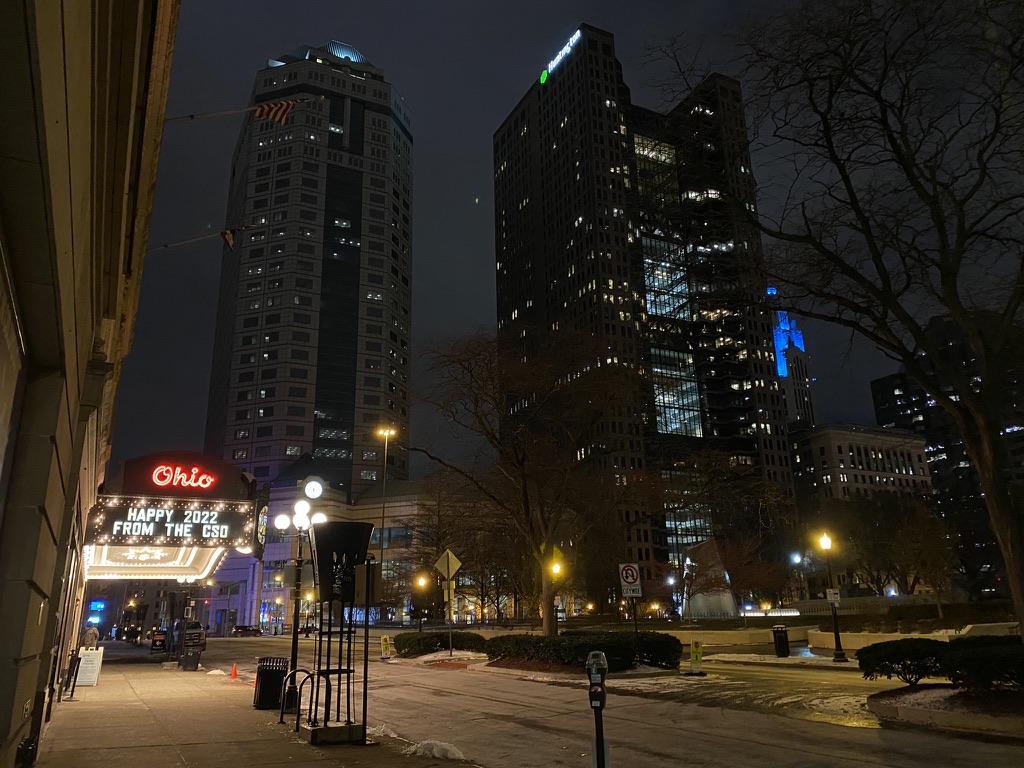
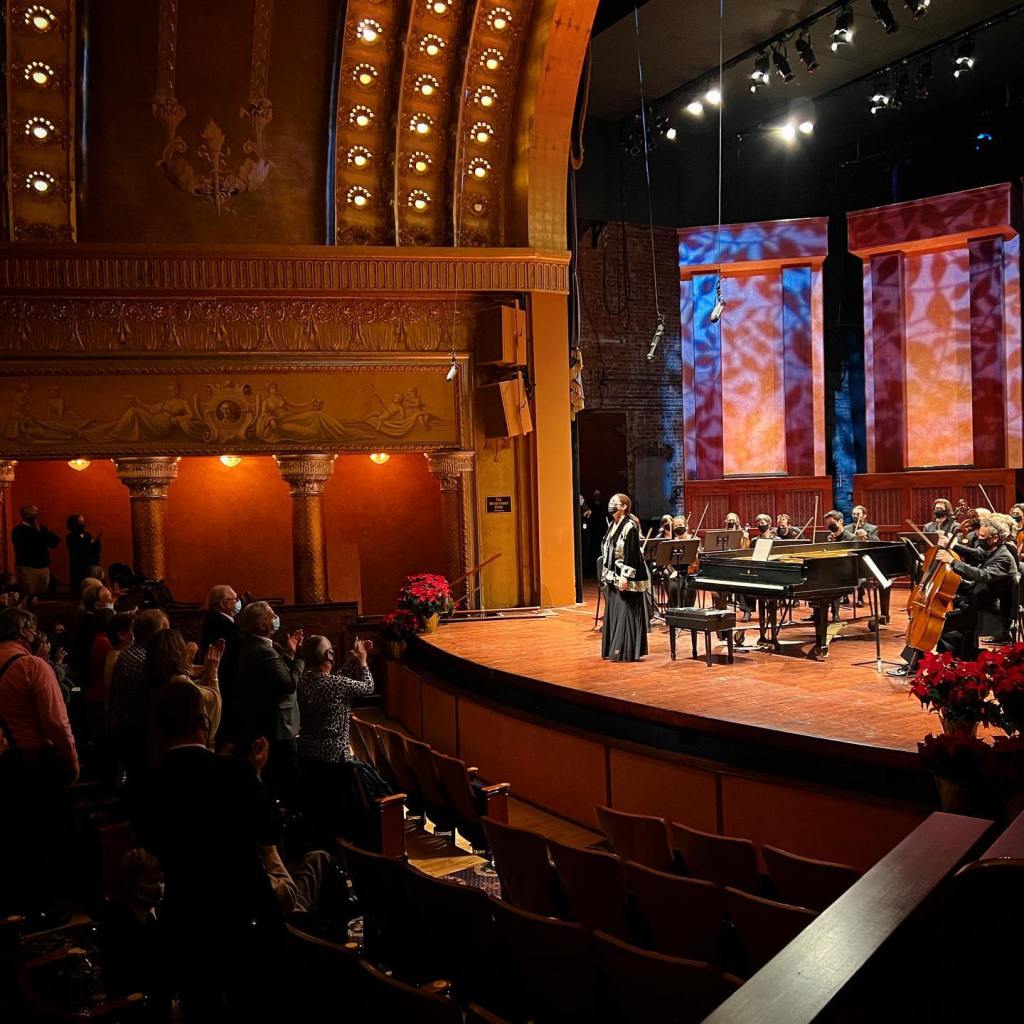
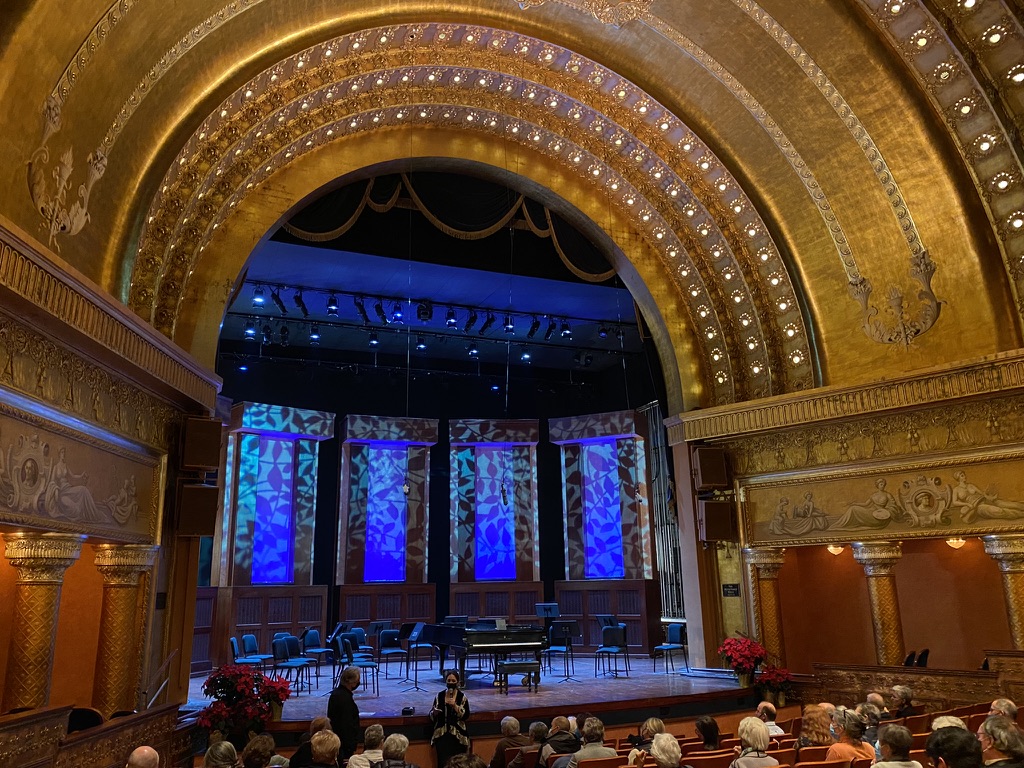
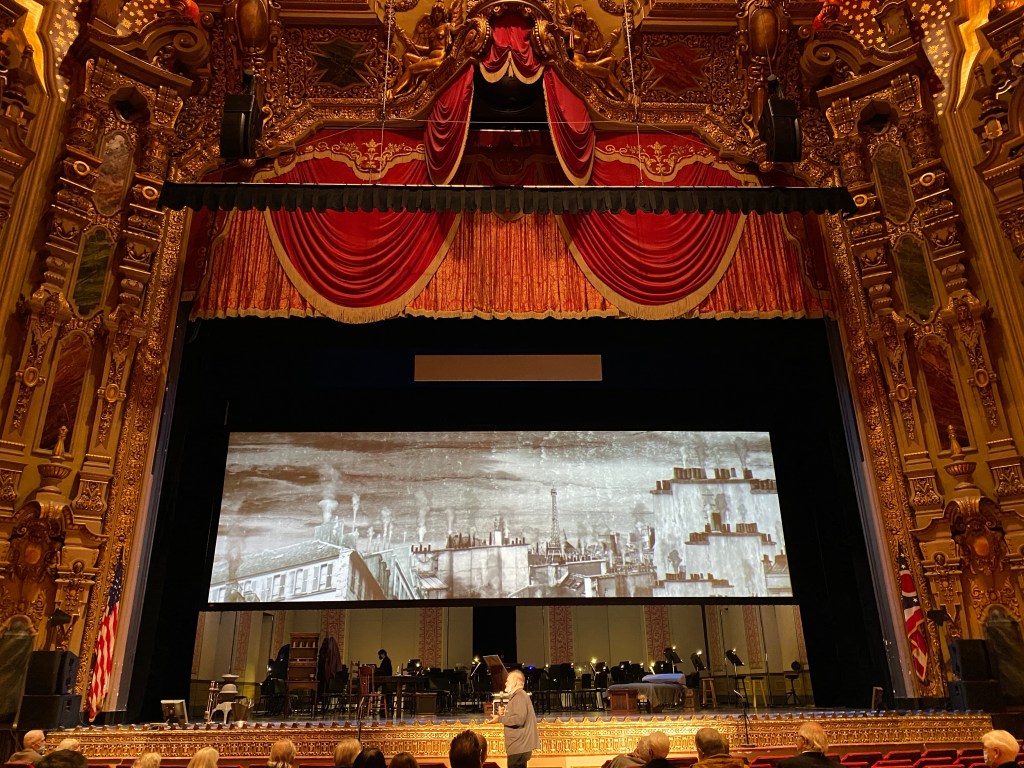
In their most ambitious undertaking so far of the current season, the Columbus Symphony offered a complete staged performance of Puccini’s indelible opera La bohème. The orchestra was perhaps the biggest star of the evening, aided by a compelling cast of singers and chorus, with the narrative brought to life by way of simple yet effective staging further enhanced by video projections, spanning the stage of the Ohio Theatre as a massive canvas.

Ohio Theatre during Christopher Purdy’s pre-concert talk. Note the video projection spanning the stage

La bohème is a compact, fast-paced affair, certainly by operatic standards. Eschewing a full-scale overture, a few bars of orchestral introduction led directly to the opening dialogue wherein we were transported in an instant to a Parisian garret. The four flatmates had a wonderfully conversational chemistry. Michelle Johnson’s Mimì was sweet and pure, but portrayed from the beginning with signs of the tragic character’s illness – an ominous foreshadowing. As Rodolfo, Joshua Stewart’s first moment to shine came in the aria Che gelida manina, sung with great tenderness. Johnson followed with a dulcet but full-bodied Sì, mi chiamano Mimì. A moonlit duet between the two (O soave fanciulla) closed the first act in the loveliest fashion.

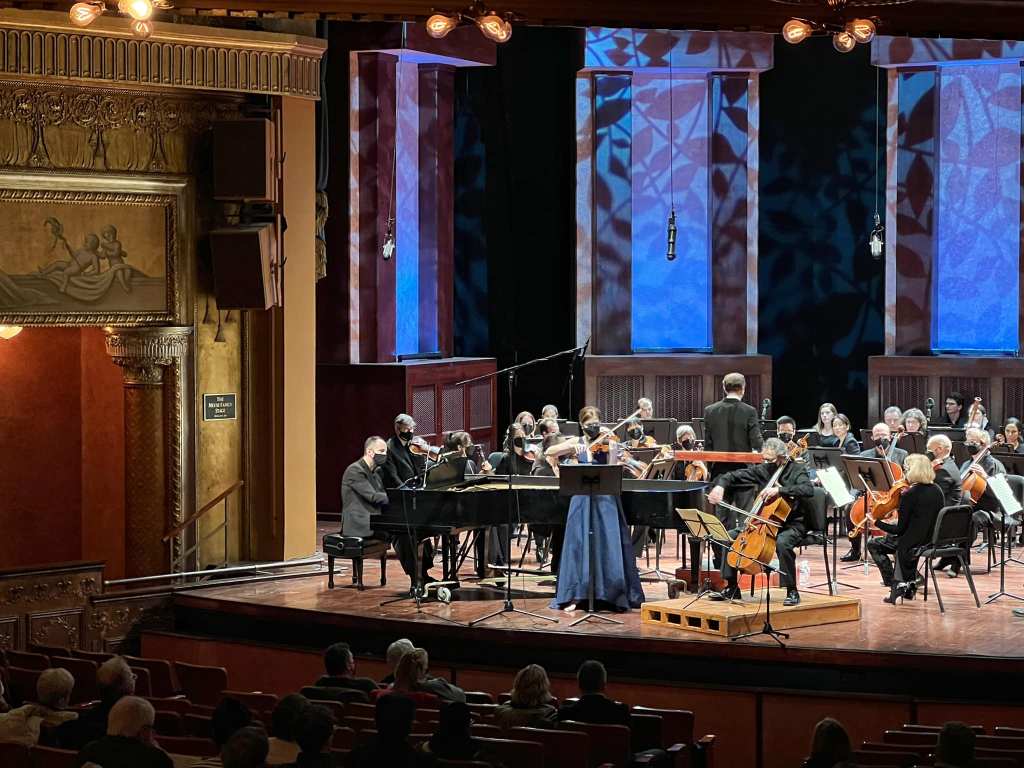
Act II took matters to the bustling Latin Quarter, the stage brimming with members of the Columbus Symphony Chorus, excellently prepared by Ronald J. Jenkins. It was interesting to see the chorus members masked – perhaps this was merely Covid protocol, but masked faces in a crowded public setting made this nineteenth-century tableau feel quite topical. Abigail Rethwisch made a terrific Musetta, highlighted by the lilting Quando me’n vo’, her charm a stark foil to the hapless Alcindoro.

Lush harps and projections of falling snow made for an atmospheric opening to Act III, and again rather topical as it quite literally takes place in February (as did the opera’s 1896 premiere). A duet between Mimì and Marcello (Ethan Vincent) was especially touching. The final act returned to the garret where it all began, depicting the cyclical and perhaps inevitable nature of things. A short-lived moment of levity was to be had before the heart-wrenching conclusion, certainly one that packed an emotional punch. Milanov certainly has a gift for opera conducting, and I look forward to any future operatic forays from these forces. A shame the severe winter weather prevented a larger audience!

Soloists shine in Beethoven’s Triple Concerto at ProMusica

ProMusica Chamber Orchestra
David Danzmayr, conductor
Katherine McLin, violin
Marc Moskovitz, cello
Spencer Myer, piano
Southern Theatre
Columbus, OH
January 23, 2022

Coleridge-Taylor: Four Novelletten, Op. 52 – Nos. 3 & 4
Beethoven: Triple Concerto in C major, Op. 56
Mendelssohn: Symphony No. 3 in A minor, Op. 56, Scottish

A true rarity – and wonderful discovery – opened ProMusica’s January program, namely the latter two entries of Samuel Coleridge-Taylor’s Four Novelletten, scored for string orchestra with a touch of percussion. The Valse was imbued with melancholy, in a similar vein to Tchaikovsky’s Valse mélancolique heard earlier in the day from the Columbus Symphony. Free-falling solo passages from assistant concertmaster Rebecca Willie added much charm, and the modest percussion neatly complemented the strings. A vigorous foil was to be had in the closing Allegro molto – with music of such quality and allure, I wish there had been time for the complete work!

Spencer Myer, Katherine McLin, and Marc Moskovitz with David Danzmayr and ProMusica, photo credit ProMusica

Beethoven’s Triple Concerto formed the heart of the program – and as a somewhat late program change, a tip of the hat to the soloists for nonetheless putting together a tight and convincing performance. ProMusica’s concertmaster Katherine McLin and principal cello Marc Moskovitz were buttressed by pianist Spencer Myer, and the trio purveyed a warm chemistry, both amongst themselves and with the orchestra at large. The graceful orchestral introduction began in the low strings, and Moskovitz’s lyrical cello introduced the soloists – the cello being the most prominent of the trio (in the informative post-concert conversation, it was suggested that this is effectively Beethoven’s cello concerto in all but name). What followed in the spacious opening movement was genial and untroubled, showing a lighter side of the composer – worlds apart from weighty works that comprise the adjacent opus numbers, namely the Eroica symphony and Appassionata piano sonata. The serene Largo peered inward, given with the intimacy of chamber music, before a seamless transition to the rambunctious Rondo alla Polacca, wherein once again the main theme was guided by the cello.

Mendelssohn’s Scottish symphony closed the program and offered the finest playing of the evening. Matters opened in brooding solemnity, conveying the composer’s awe of his Scottish sojourn. The first movement was shrouded in mystery, encouraged by Danzmayr’s taut dynamic control, and often passionate with some particularly notable playing from the clarinet. As a counter to the weight of the preceding, the scherzo was of folksy charm, quintessentially Mendelssohnian in its sparkling textures. A certain solemnity returned in the following movement, heightened by striking chorale writing, while the vigorous finale was an uncompromising affair until the triumphant closing material, unequivocally arriving in the major.

Barnatan’s ravishing Rachmaninov closes Columbus Symphony’s Russian festival

Columbus Symphony Orchestra
Rossen Milanov, conductor
Inon Barnatan, piano
Ohio Theatre
Columbus, OH
January 23, 2022

Tchaikovsky: Orchestral Suite No. 3 in G major, Op. 55
Rachmaninov: Piano Concerto No. 3 in D minor, Op. 30

Two weeks after a memorable first entry of the Russian Winter Festival, the Columbus Symphony offered an even more compelling second foray into the repertoire, in this case focusing on Tchaikovsky and Rachmaninov. Despite the seemingly innocuous title, at over forty minutes, Tchaikovsky’s Suite No. 3 is a work very much on the scale of the symphonies. If there are salient differences to be noted, the Suite is rather lighter in character than the often tragic symphonies, and includes scoring for English horn and harp – instruments the composer avoided in the symphonies. The opening Élégie was graceful, delicate, and tinged with melancholy. Tchaikovsky’s arching lyricism was in plain sight, heightened by a languid English horn solo from Robert Royse. The Valse mélancolique that followed was of an ineffable charm, a lilting waltz but with doleful underpinnings, subsequently countered by an energetic yet featherlight scherzo.

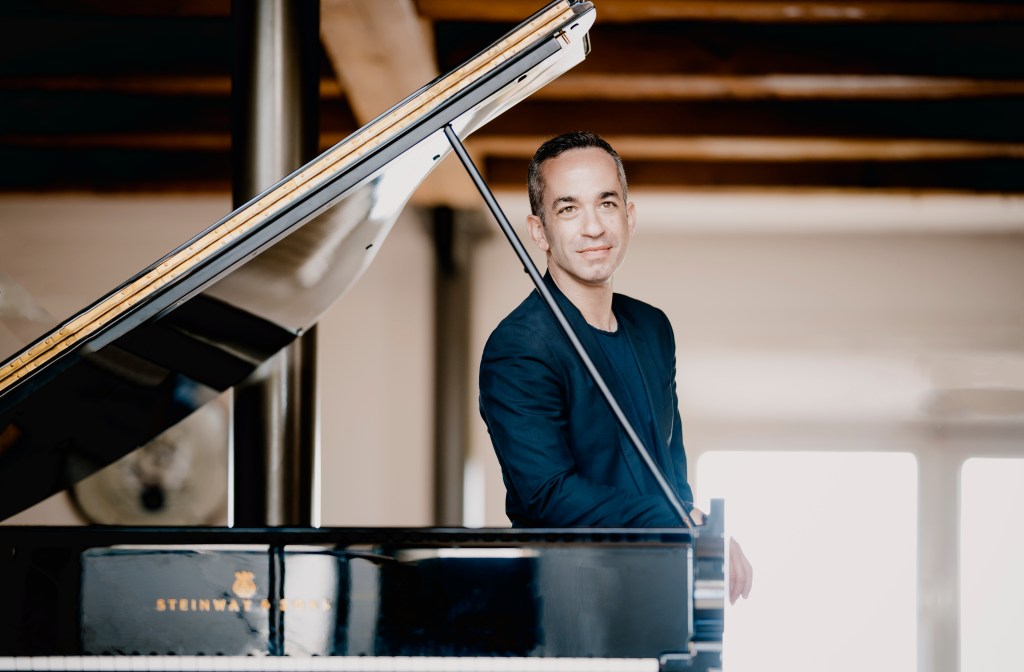
Inon Barnatan, photo credit Marco Borggreve

The closing theme and variations is as long as the first three movements combined. Matters were inaugurated by a stately presentation of the theme in the strings, and with charm and delight, Milanov shaped each of the twelve variations that followed with individual character in this first CSO performance of the work. Variation 4 featured a powerful invocation of the Dies irae, and the fugato of the following was given with exacting clarity. Variation 9 closed with a wonderfully virtuosic violin cadenza from associate concertmaster Leonid Polonsky, leading into the deeply melancholic tenth variation. Not only is the suite as a whole end-weighted, but so are the variations themselves with the final few being the most extensive and expressive. A grandiose polonaise concluded the set in bellicose fashion. Following the performance, Milanov offered gratitude and tribute to violist Mary Farrington, stepping down after a remarkable 42 years.

Rachmaninov’s famously virtuosic Piano Concerto No. 3 brought Israeli pianist Inon Barnatan in the spotlight. Haunting, monastic beginnings were taken at an indulgently slow tempo, but vigor was amassed in due course. The sumptuous orchestral accompaniment complemented Barnatan’s virtuosity well, with the pianist conveying a rich tone, amply projected, though perhaps a bit too mild-mannered for such impassioned repertoire. Barnatan opted for the shorter of the two cadenzas Rachmaninov provided, though it still packed a punch, putting his commanding technique on full display – certainly one of the most thrilling moments in the piano concerto literature. Lush textures crested to passionate outpourings in the central movement, and a seamless transition led directly into the energetic march of the finale, building to a blazingly virtuosic conclusion.

Columbus Symphony opens new year in powerful Russian repertoire

Columbus Symphony Orchestra
Rossen Milanov, conductor
Ohio Theatre
Columbus, OH
January 7, 2022

Mussorgsky/Ravel: Pictures at an Exhibition
Stravinsky: Le sacre du printemps (arr. Jonathan McPhee)

The Columbus Symphony opened the New Year with its annual Russian Winter Festival, now in its seventh year. The first of two programs in the Festival, Friday night’s offering put forth two of the most pivotal works – and orchestral showpieces – of the Russian repertoire: Mussorgsky’s Pictures at an Exhibition and Stravinsky’s Rite of Spring. Such a meaty program made for an exciting night of orchestral virtuosity.

Presented in its (overly?) familiar Ravel orchestration, Pictures at Exhibition was certainly a rousing way with which to begin the year, with the clarion trumpets calls of the opening “Promenade” setting a ceremonial tone (principal trumpet Mark Grisez). The coloristic “Gnomus” put Ravel’s mastery of instrumentation on full display. Marked contrast was to be had in the lightness of “Tuileries” preceding the weight of the imposing “Bydło” – the latter a shining moment for the tuba. “Samuel Goldenberg und Schmuÿle” stood out by its striking use of the muted trumpet, showing the many colors of an instrument so pivotal to the suite. A tragic chorale opened the “Catacombae” segment, perhaps the emotional core of the work, while closing “Great Gate of Kiev” was solemn and stentorian, with a suitably grandiose finish enhanced by the tolling bells.

Stravinsky’s Rite of Spring amply filled out the balance of the evening. Milanov opted to use a version for reduced orchestra arranged by conductor Jonathan McPhee. While perhaps some of the raw excitement is lost when performed by slimmer forces, the McPhee arrangement stays faithful to the original (a few samples can he heard here) and is the only reduction to be approved by the Stravinsky estate (and when the work is performed as a staged ballet, this version accommodates venues that lack a pit large enough to fit the vast number of players the composer originally envisioned).

The work began in a bassoon solo (Betsy Sturdevant), sounding nearly otherworldly in its unnaturally high register. The music progressed discursively, gaining momentum until it crested in the iconic passage of manically repeated, pulsating rhythmic gestures. Milanov’s exacting baton work carefully guided the orchestra through the piece’s fearsome rhythmic complexes. Part II opened shrouded in the same mystery as the beginning with fine solo contributions from concertmaster Joanna Frankel, astringently portraying a desolate atmosphere. The pounding bass drum ignited the kinetic energy of “Glorification of the Chosen One”, bursting with a primal fury that pointed in due course towards the final, cataclysmic crash. There’s certainly much to forward to in the second installment of the Russian Winter Festival, featuring works of Tchaikovsky and Rachmaninov.

Dinnerstein shines as both pianist and conductor with ProMusica

ProMusica Chamber Orchestra
Simone Dinnerstein, piano and leader
Southern Theatre
Columbus, OH
December 11, 2021

Bach: Keyboard Concerto No. 7 in G minor, BWV 1058
Bach: Erbarm’ dich mein, o Herre Gott, BWV 721 (arr. Lasser)
Bach: Orchestral Suite No. 2 in B minor, BWV 1067
Glass: Piano Concerto No. 3

Encore:
Glass: Etude No. 6

The spotlight shone on Simone Dinnerstein during this weekend’s ProMusica performances in which she served dual role as pianist and conductor. This was an event that was originally on the calendar a year ago, inevitably cancelled due to the pandemic – during which time Dinnerstein was involved in bringing to life Richard Danielpour’s monumental tribute to the heroes of the pandemic (see my interview with her on that project). Ever keen to draw out thoughtful connections between composers, Dinnerstein curated a poignant program comprised of Bach and Glass. It’s an inspired coupling, to be sure: Dinnerstein noted that Glass was intensely immersed in Bach during his studies with Nadia Boulanger, and moreover, one can draw parallels in the two composers’ musical languages, for instance, in their extensive use of motivic repetition.

Simone Dinnerstein with ProMusica Chamber Orchestra, photo credit ProMusica

Bach’s Keyboard Concerto No. 7 in G minor is a reworking of his Violin Concerto in A minor, transposed down a tone to better suit the harpsichord used at the time. Dinnerstein purveyed a seamless, flowing playing, leading the orchestra – just as the composer would have done – as if an extension of herself. The vigor of the opening movement offered little respite until the central Andante, a lovely moment, delicate and carefully judged. A crisp contrapuntal vigor opened the finale, and Dinnerstein’s stylish playing, punctuated by rippling chains of sixteenth notes, made full use of the resources of the modern concert grand.

The chorale prelude Erbarm’ dich mein, o Herre Gott was presented in a transcription for piano and strings, an arrangement made for Dinnerstein by Philip Lasser – a composer with whom she has had numerous collaborations. Much was said in the work’s brief duration. The resonant reserves of the piano were tastefully aided and abetted by the strings, yielding a touching gravitas, and matters built to a stentorian climax.

The Orchestral Suite No. 2 in B minor followed without break, allowing the previous work to function quite literally as a prelude. It’s a well-known quantity, but Dinnerstein heightened one’s interest by imbuing the work with her own individual stamp and making subtle alterations to the score, for instance, adding some pizzicatos and playing an octave higher in certain places. The overture opened in stately fashion, with its dotted rhythms sharply delineated. Dinnerstein offered a lively and incisive continuo (along with cellist Marc Moskovitz) while adeptly directing her orchestral colleagues – and it was quite striking hearing a modern piano rather than harpsichord play the role. A contrasting series of dances ensued, among them, a languid sarabande, a lively bourée, and a regal polonaise. The suite culminated in the much-loved badinerie, bringing principal flute Nadine Hur front and center. Her rapid-fire playing made for an exhilarating close.

Philip Glass dedicated his 2017 Piano Concerto No. 3 to Dinnerstein – indeed, half the works on the program were written with Dinnerstein in mind. He intended the work to be paired with the Bach concerto that opened the program (as it also is on her recording of the work). The work opened with a meditative solo statement from the pianist, instantly recognizable as coming from Glass’ pen. This was music deeply lyrical and affecting, showing minimalism not as just a cold experiment but an aesthetic that can have a real heart to it. The last movement made perhaps the strongest impression. Written for fellow minimalist Arvo Pärt (though both composers have resisted such labeling), it opened with a monastic done in the bass, alluding to the Estonian’s idiosyncratic use of bell-like textures. This gesture was repeated incessantly yet purposefully, eventually fading away into the ether. As an encore, Dinnerstein offered Glass’ Etude No. 6, a fitting pendant to the concerto, and her reading was as dramatic as it was mesmerizing.

Post-concert Q&A with Dinnerstein and WOSU’s Boyce Lancaster

Aizuri Quartet illuminates enterprising program at Chamber Music Columbus

Aizuri Quartet
Southern Theatre
Columbus, OH
November 13, 2021

Strozzi: L’usignuolo, Op. 1 No. 5, arr. Alex Fortes
Strozzi: L’amante modesto, Op. 1 No. 13, arr. Alex Fortes
Young: Memento mori (Phase I)
Alberga: String Quartet No. 1
Beethoven: String Quartet No. 12 in E-flat Major, Op. 127

With a name derived from a particularly vibrant style of Japanese woodblock printing, the Aizuri Quartet cuts a fittingly dynamic stage presence, and made a welcome appearance at Chamber Music Columbus. During their stay in Columbus, the quartet also found time to work with local music students. As a prelude to the evening, a group of high school age string players showed the fruits of their coaching from Aizuri in a performance of the first movement of Haydn’s “Fifths” quartet. The first half of the Aizuri program was particularly inventive and wide-ranging, spanning repertoire from the seventeenth through twenty-first centuries.

Aizuri Quartet, photo credit Shervin Lainez

The first works performed in fact predate the modern string quartet, namely a pair of madrigals by Barbara Strozzi, both extracted from her first book of works in the medium (Op. 1). Thoughtfully recast for string quartet by violinist Alex Fortes on an Aizuri commission, the present transcriptions afforded the ensemble the opportunity to explore a repertoire otherwise out of scope for a string quartet. Fortes’ skillful use of the quartet deftly imitated the singing of the source material, and both works made for a touching opening statement.

Marked contrast was to be had in the succeeding work as we were fast-forwarded to a 2013 composition by Nina C. Young. Memento mori (Phase I) is the first of four projected works in the series. The Latin title translates to “remember that you will die,” and and its core, this work is concerned with the inevitability of death and the passage of time. It looks towards the past quite literally in interpolating material from Bach’s Art of Fugue, though often buried deep in the intricate fabric of the work. The challenges posed by the rhythmic complexities evidenced the quartet’s tight communication and musical synergy. Ultimately, and perhaps inevitably, the work faded away into the ether. A compelling listen.

Dating from 1993, the String Quartet No. 1 by Jamaican composer Eleanor Alberga made for another unfamiliar but engaging selection. Alberga’s impetus to compose the quartet came from a rather unusual source of inspiration: a physics lecture, in this case concerned with the notion that all matter is derived from star dust. Even if the musical content wasn’t engaging (spoiler alert: it was), the work would still stand out for its inventive tempo indications; surely the first movement takes the prize with the wonderfully multilingual marking “Détaché et matellato e zehr lebhaft und Swing It Man.” Indeed, it was performed with a singular propulsive drive. The spectral central movement (“Espressivo with Wonder and Yearning”) was heightened by a yearning, gracious melody from first violinist Emma Frucht, reaching high into the cosmos. The finale (“Frantically Driven yet Playful”) was a wild ride, punctuated by a striking pizzicato section, and matters came to a close by way of a vigorous chordal gesture.

Though a retreat to more standard repertoire, the latter half was no less ambitious in being devoted to the first of Beethoven’s monumental, incomparable series of late quartets (Op. 127). Resonant chords heralded the work before diving into the heart of the opening movement, spacious and elegant but not without appropriate weight. The slow movement, one of Beethoven’s most expansive, was serene and warm, with the quartet drawing out the individual character of each variation. Far from a mere trifle, the excitement of the scherzo was encouraged by sharp dynamic contrasts. In the finale, a jagged opening gesture melted into a graceful theme, buoyant and dance-like, perpetuating a genial atmosphere before a cascading finish ended on a sequence of chords, just as the work began.

Southern Theatre at intermission during the Aizuri’s performance

Columbus Symphony explores Romanticism in Liszt and Brahms

Columbus Symphony Orchestra
Rossen Milanov, conductor
Claire Huangci, piano
Ohio Theatre
Columbus, OH
November 12, 2021

Williams: The Dream Deferred
Liszt: Piano Concerto No. 2 in A major, S125
 Encore:
 Gulda: Piano Play No. 6
Brahms: Symphony No. 2 in D major, Op. 73

As with the previous entry in the Masterworks series, the Columbus Symphony’s program on Friday night thoughtfully opened with a socially-relevant work by a contemporary African-American composer. Here, the work in question was the 2017 composition The Dream Deferred by Chicago native Evan Williams. Alluding to the Langston Hughes poem, the present work contends with how the American dream is all too often deferred for the Black and Latino communities, particularly amongst young males in what is chillingly referred to as the school-to-prison pipeline. Scored for string orchestra and harp, the piece is bifurcated into two brief movements, “it explodes” and “it dries up” respectively. The harp textures in particular showed the composer’s skill as the unsettled, ominous music proceeded until the titular dream eventually faded away into darkness.

A preconcert conversation between Claire Huangci and Rossen Milanov

The preconcert talk featured an informative conversation between music director Rossen Milanov and guest pianist Claire Huangci. The two first collaborated in Philadelphia when Huangci was just 12 years old. She was featured this weekend in Liszt’s Piano Concerto No. 2, a rather more lyrical foil to its more frequently heard predecessor. Plaintive winds were answered by gentle cascades in the piano, and the pianist’s elegant, sensitive playing captured one’s attention. Though certainly more subdued than the First Concerto, there were nonetheless ample opportunities for flair and virtuosity which Huangci delivered with aplomb, particularly in the riveting march. A ravishingly beautiful duet between the pianist and principal cellist Luis Biava offered a moment of calm before the big-boned finish. Huangci indulged the appreciative audience with an encore in Friedrich Gulda’s Piano Play No. 6, thoroughly entertaining in its jazz inflections and rapid-fire repeated notes.

The so-called “War of the Romantics” was a defining feature of nineteenth-century music, pitting against each other two vastly different approaches to composition. The present program intriguingly explored that by contrasting the Liszt with the latter half devoted to Brahms’ Second Symphony. The first movement opened gentle and genial, though it sounded as if it could have benefitted from additional rehearsal time. The trajectory of this expansive movement was not always clear as matters plodded along, with interjections from the brass fitfully uncoordinated and out of tune. Nonetheless, I found the slow movement more convincing with a serenity encouraged by the resonant cellos, and Milanov led the orchestra to a fiery passion before peacefully subsiding. Milanov aptly referred to the Allegretto grazioso as a “stylized minuet”, and it provided much charm ahead of the finale, certainly one of the most jubilant in the repertoire – just what was needed on a cold November night.

Columbus Symphony opens season with appealing Brahms and Dvořák

Columbus Symphony Orchestra
Rossen Milanov, conductor
Stefan Jackiw, violin
Ohio Theatre
Columbus, OH
October 22, 2021

Montgomery: Banner
Brahms: Violin Concerto in D major, Op. 77
 Encore:
 Bach: Largo from Violin Sonata No. 3 in C major, BWV 1005
Dvořák: Symphony No. 8 in G major, Op. 88

Friday marked opening night of the Columbus Symphony’s Masterworks series, the core of its landmark 70th season. As is standard practice from most American orchestras, the CSO would typically open the season with a rendition of the national anthem. Extraordinary times, however, make business as usual ring hollow, and a thoughtful opener was to be had in Jessie Montgomery’s 2014 work Banner. Written in 2014, two hundred years after Francis Scott Key’s indelible poem, the work pits the Star-Spangled Banner against a wealth of melodies from other cultures, depicting in musical terms the vast array of cultures that comprise the United States today. While the contours of the Star-Spangled Banner form the backbone of the work, no less than seven other songs are woven together into a single multicultural fabric, often yielding a spiky polytonality. A deeply engaging opener, and I hope the CSO continues to explore Montgomery’s work in future seasons.

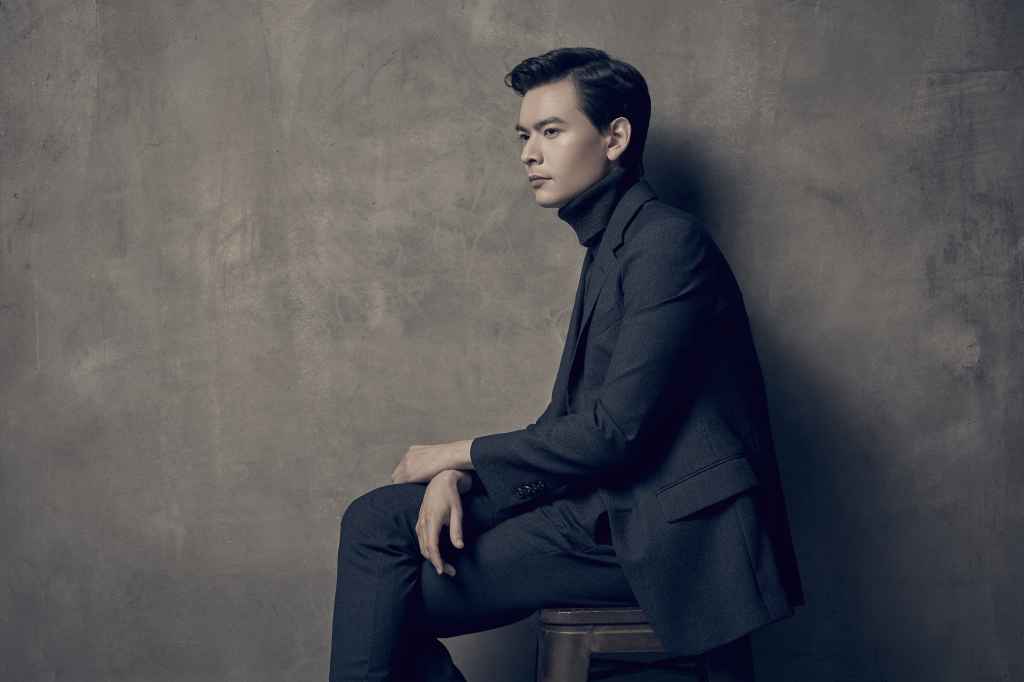
Stefan Jackiw, photo credit stefanjackiw.com

The remainder of the program retreated to more familiar territory in seminal works of Brahms and Dvořák. Stefan Jackiw served as a commendable soloist in the Brahms Violin Concerto. The graceful and genial opening gave way to the dramatic, punctuated by Jackiw’s jagged entrance. He displayed an accomplished virtuosity, delivering the extended cadenza with flair, but never without sensitivity, continually drawing focus towards the work’s lyrical heart. A rapturous oboe solo opened the central Adagio, answered in the rich lyricism of the solo violin. The Hungarian finale was given with both effervescence and drama, and the orchestra matched Jackiw’s high spirits. As an encore, Jackiw offered the Largo from Bach’s C major sonata – a lovely pendant.

Dvořák’s Symphony No. 8 closed the evening, and here, Milanov opted to conduct from memory. The work saw brooding beginnings, but rays of sunlight quickly broke through. The principal winds – the flute in particular – were the standouts here. A second movement Adagio proceeded as calm and untroubled affair, while the lilting penultimate movement had a dancing charm – though one wanted perhaps even more emphasis on the insouciant dance rhythms. Clarion trumpet calls heralded the boisterous finale. All in all, a very satisfying start to the season.