
Marc-André Hamelin, piano
Carnegie Music Hall
Pittsburgh, PA
January 12, 2026
Ives: Piano Sonata No. 2, Concord, Mass., 1840–60
Schumann: Waldszenen, Op. 82
Ravel: Gaspard de la nuit
Encores:
Ravel: Jeux d’eau
Rachmaninoff: Étude-tableau in E-flat minor, Op. 39 No. 5
Hamelin: Music Box, no. 5 from Con intimissimo sentimento
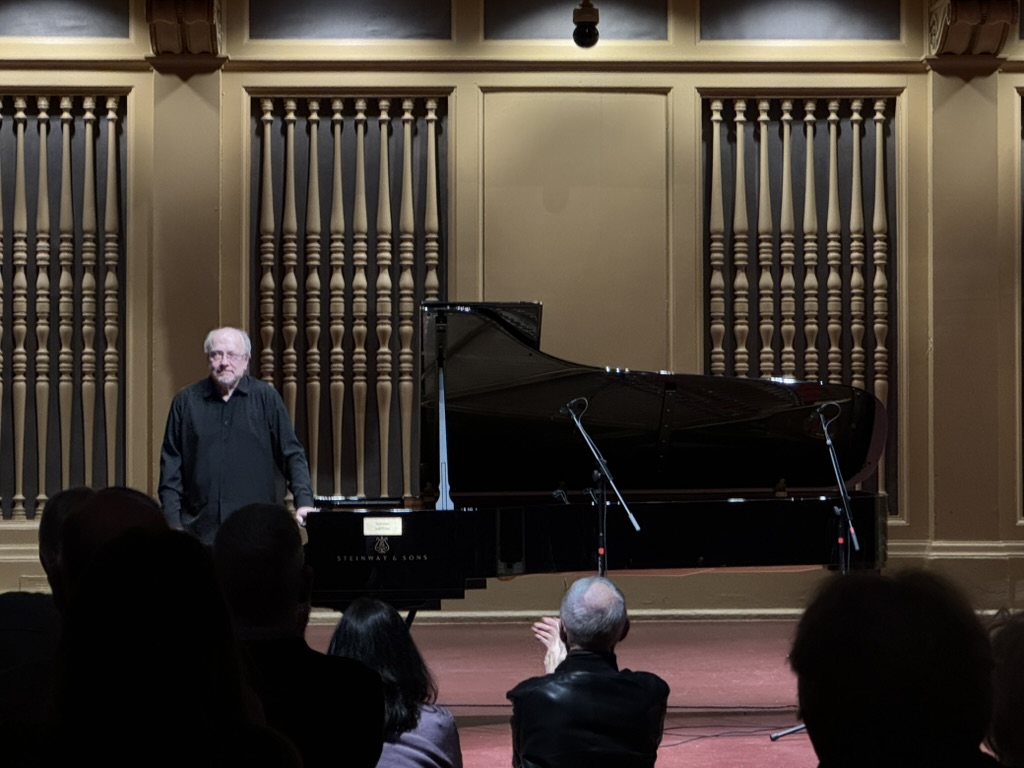
Opening 2026 at Chamber Music Pittsburgh – and the first major event of the local classical music calendar this year – was a much-anticipated solo recital from pianist Marc-André Hamelin. A piano on loan from Carnegie Mellon University had an imposing presence on the Carnegie Music Hall stage. Hamelin is among today’s most intrepid explorers of the instrument, never shying away from a work no matter how little known or technically demanding. This was amply apparent in the first half, which opened in uncompromising form by of Charles Ives’ Concord Sonata.
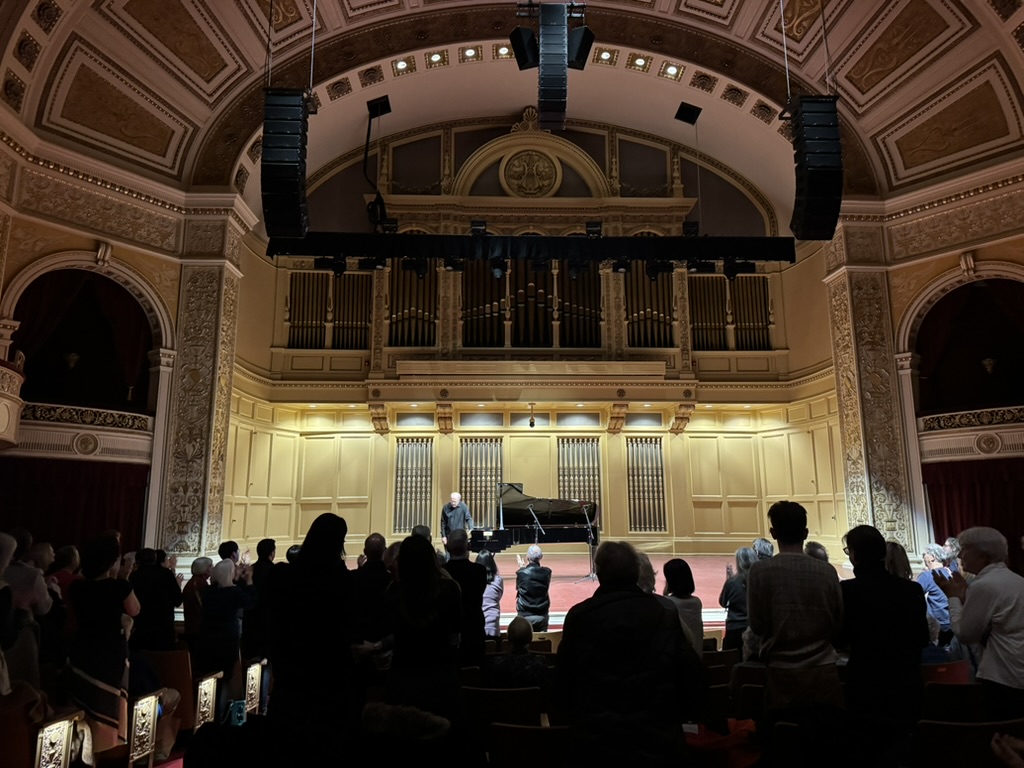
A mainstay of Hamelin’s repertoire for decades, there is no better champion of the massive work: virtually no one has more experience and expertise on it. Its four movements depict the 19th-century New England writers centered in Concord, Massachusetts. Emerson had bracing beginnings, with torrents of rich, muscular sound. It oscillated between gripping intensity and a dreamy evocation. Powerful bass lines drew out the three shorts notes followed by a long motif familiar from Beethoven’s Fifth, a gesture that serves as a binding element throughout the thorny sonata.
Hawthorne was mercurial and fantastical, filled with massive tone clusters and frenetic syncopations. Contrasting was the brief Alcotts, a respite from the dizzying complexities of the surrounding, radiant and direct in expression. In the closing Thoreau, the long journey arrived at a wistful reflection; one imagines the writer in quiet contemplation at shore of Walden Pond.
The latter half paired Schumann’s Waldszenen with Ravel’s Gaspard de la nuit – works I just saw him perform in October at Akron’s Tuesday Musical, but a welcome opportunity to revisit. The Schumann opened in a warm embrace, a beckoning welcome to the forest – and most captivating was the mystical Vogel als Prophet. The Ravel is a virtuosic tour de force – a bold choice to include on a program that opened with the Concord Sonata! From the shimmering Ondine to the funereal tolling of Le Gibet, matters concluded in thrilling fashion with the technical wizardry of Scarbo.
Hamelin generously offered three encores, beginning with more Ravel. Jeux d’eau made a fitting complement to Ondine, another mesmerizing impressionist evocation of water. An Etude-Tableau from Rachmaninoff filled the hall with its dense, robust chordal textures. And finally, a work by Hamelin himself: Music Box, an all too brief piece of insouciant charm.
 quasi-faust